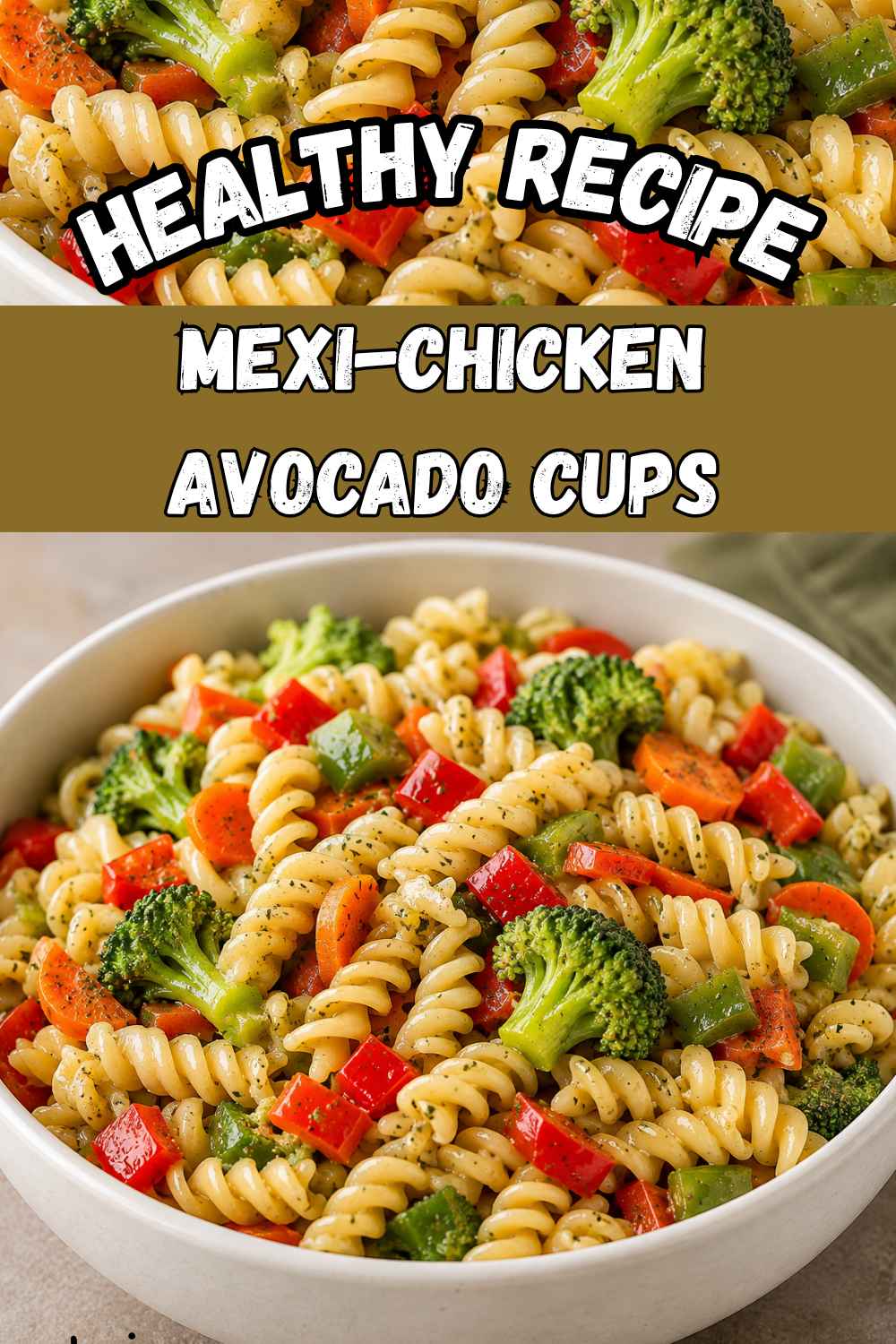
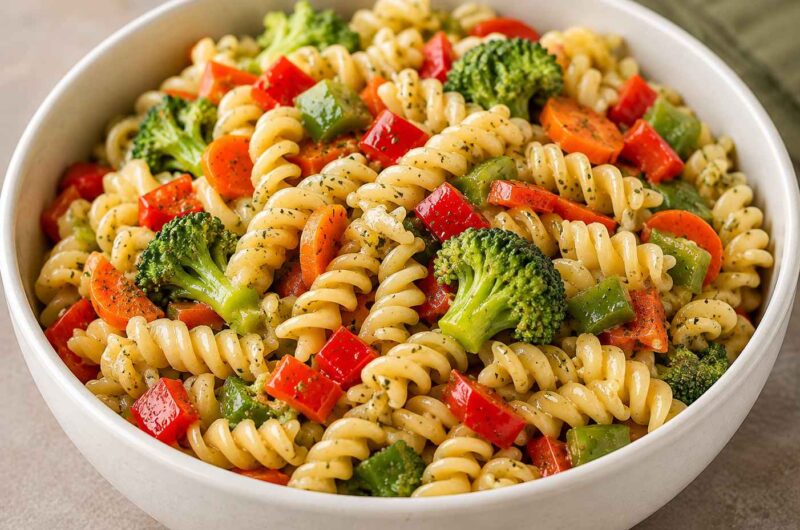
Enjoy an easy Pasta with Vegetables recipe packed with colorful vegetables, herbs, and rotini pasta. A simple, flavorful meal for busy weeknights and meal prep. When you need a simple meal that feels fresh, colorful, satisfying, and easy to prepare, Pasta with Vegetables is a classic choice. Tender rotini pasta is combined with a variety of colorful vegetables, including bell peppers, carrots, broccoli, and garlic, then finished with a flavorful herb vinaigrette. The result is a comforting pasta dish that brings plenty of texture and fresh vegetable flavor to the table without requiring complicated cooking techniques.
Pasta with Vegetables is especially useful when you want an easy weeknight dinner that can be prepared with everyday ingredients. The combination of pasta and vegetables creates a balanced base for a meal, while dried basil, oregano, garlic, and red wine vinegar add brightness and savory flavor. If you are building a collection of easy healthy recipes, vegetarian meal ideas, or simple meal-prep dishes, this recipe is a practical addition.
While traditional vegetable pasta is not as protein-dense as recipes built around chicken, tuna, shrimp, cottage cheese, Greek yogurt, or legumes, it can still fit into a high-protein lifestyle when paired with an additional protein source. Adding grilled chicken, shrimp, chickpeas, white beans, lentils, tofu, or a sprinkle of Parmesan can make the meal more substantial and increase its protein content. This makes it easy to customize according to your nutritional goals.
Why You’ll Love This Recipe
Pasta with Vegetables is the kind of recipe that earns a regular spot in a busy-weeknight rotation because it is straightforward, colorful, and flexible. The combination of rotini pasta and several vegetables gives every serving a pleasant mix of soft, crisp, and tender textures. The spiral shape of rotini also works especially well with the herb vinaigrette because the dressing can cling to the pasta and distribute throughout the dish.
Another reason to love this vegetable pasta is how easily it can be adapted. You can use whatever vegetables you already have available, making it a convenient way to add more produce to your meals. Broccoli, bell peppers, carrots, and garlic create a colorful combination, but zucchini, spinach, mushrooms, cherry tomatoes, peas, asparagus, or roasted vegetables can also work beautifully.
The recipe is also convenient for meal planning. It can be enjoyed warm or allowed to cool for a pasta salad-style meal, making it useful for lunches and make-ahead dinners. If your goal is to eat more high protein foods, simply use the pasta as a base and add your favorite protein-rich ingredient. This approach allows you to enjoy a comforting pasta meal while tailoring the overall nutrition to your needs.
Health Benefits of This Recipe
One of the biggest nutritional advantages of Pasta with Vegetables is the variety of vegetables included in the dish. Bell peppers, carrots, broccoli, and garlic contribute vitamins, minerals, fiber, and plant compounds while also adding color and flavor. Eating a variety of vegetables is an easy way to make everyday meals more nutrient-dense, and combining several types in one recipe makes that goal more convenient.
Broccoli is particularly useful in a vegetable-focused meal because it provides fiber and several important micronutrients. Bell peppers add vitamin C and natural sweetness, while carrots contribute beta-carotene and a vibrant orange color. Garlic provides a strong savory flavor that can make vegetables more appealing without requiring a heavy sauce. Together, these ingredients create a pasta dish that feels much more substantial than plain noodles.
The pasta provides carbohydrates, which are an important source of energy for many people. Carbohydrates can be especially useful around active days and workouts because they help fuel physical activity. If you follow a high protein diet for muscle building, fitness, or weight management, you do not necessarily need to eliminate pasta. Instead, you can combine a reasonable portion of pasta with vegetables and a lean protein source for a more balanced meal.
The fiber from the vegetables can also contribute to fullness and digestive health. For people interested in high protein low calorie recipes, the overall meal can be adjusted by changing the pasta-to-vegetable ratio and adding a lean protein source. Using more vegetables and an appropriate portion of pasta can create a satisfying meal without relying on rich, heavy sauces.
What Makes This Recipe High Protein
On its own, Pasta with Vegetables is better described as a vegetable pasta recipe rather than a truly high-protein recipe. The primary source of protein comes from the rotini pasta, with smaller amounts contributed by the vegetables. Four cups of uncooked regular rotini can provide roughly 50 to 55 grams of protein in the entire batch, depending on the brand and type of pasta used. If the recipe is divided into six servings, that works out to approximately 8 to 10 grams of protein per serving.
That amount can be useful as part of a balanced meal, but it is lower than many recipes specifically designed as high protein recipes. If increasing protein is your priority, the easiest solution is to add a dedicated protein source rather than simply increasing the amount of pasta. Grilled chicken breast, cooked shrimp, lean turkey, tuna, chickpeas, lentils, tofu, cottage cheese, or Parmesan cheese can all help increase the protein content.
You can also choose a higher-protein pasta made from chickpeas, lentils, peas, or another protein-rich ingredient. These products can provide substantially more protein than traditional wheat pasta while maintaining the familiar pasta format. This makes the recipe especially adaptable for people searching for high protein dinner ideas or high protein meal prep recipes.
For a fitness-focused meal, consider pairing a serving with grilled chicken or shrimp and keeping the vegetable portion generous. For a vegetarian version, chickpeas, lentils, tofu, edamame, or white beans can add both protein and extra fiber. With a simple protein upgrade, this vegetable pasta can become a much more filling meal that fits comfortably into a high protein meal plan.
Tips & Variations
For the best texture, avoid overcooking the vegetables. Bell peppers and carrots should become tender while retaining some texture, and broccoli benefits from being cooked just enough to become bright and tender without turning mushy. Keeping some texture in the vegetables makes the finished pasta more enjoyable and helps prevent the dish from feeling soft or heavy.
The herb vinaigrette is another area where you can customize the flavor. Red wine vinegar gives the pasta a slightly tangy finish, while dried basil and oregano provide a familiar Italian-inspired flavor. You can adjust the seasoning according to your preferences and add other herbs such as parsley, thyme, Italian seasoning, or a small amount of red pepper flakes if you enjoy a little heat.
There are countless ways to turn this basic vegetable pasta into a different meal. For extra protein, add grilled chicken, shrimp, tuna, chickpeas, lentils, tofu, or white beans. For a vegetarian high protein option, lentil or chickpea pasta combined with beans can significantly increase the protein content. For a lower-carbohydrate version, you can reduce the pasta and increase the amount of non-starchy vegetables such as broccoli, zucchini, mushrooms, spinach, and bell peppers.
You can also add ingredients based on the season. Fresh tomatoes and zucchini work well during summer, while roasted Brussels sprouts, cauliflower, and squash can create a heartier cold-weather version. A little Parmesan or feta can add richness and savory flavor, while toasted seeds or nuts can provide additional texture. These simple variations make the recipe useful throughout the year.
How to Store & Meal Prep
Pasta with Vegetables is well suited to meal preparation because it can be portioned into individual containers and stored for later meals. Once the pasta has cooled, transfer it to airtight containers and refrigerate it promptly. Properly stored leftovers are generally best enjoyed within three to four days, provided they have been handled and refrigerated safely.
For meal prep, divide the pasta into individual portions before refrigerating. This makes it easy to grab a ready-to-eat lunch or dinner without reheating the entire batch. You can also prepare a protein separately and add it to each portion when serving. For example, cooked chicken, shrimp, chickpeas, or tofu can be portioned alongside the vegetable pasta to create a more protein-rich meal.
The dish can be enjoyed chilled, at room temperature, or gently reheated depending on your preference. If reheating, use the microwave in short intervals and stir between intervals so the pasta warms evenly. A small amount of moisture can help prevent the pasta from becoming dry during reheating.
Freezing is possible, although the texture of the vegetables and pasta may change after thawing. If you plan to freeze the dish, use airtight freezer-safe containers and allow it to cool before freezing. Thaw it safely in the refrigerator and reheat thoroughly. For the freshest texture, however, refrigerator meal prep is generally the better choice for this particular recipe.
Common Mistakes to Avoid
One common mistake with vegetable pasta is overcooking the pasta. Rotini is most enjoyable when it retains a slight firmness rather than becoming overly soft. Cooking it until al dente helps it hold its shape and texture, particularly if you plan to refrigerate and reheat the leftovers. Checking the pasta toward the lower end of the package cooking time can help prevent it from becoming mushy.
Another mistake is overcooking the vegetables. The goal is to soften them enough to be pleasant to eat while retaining some color and texture. Broccoli can quickly become too soft, while bell peppers can lose their fresh texture if cooked for too long. Keeping the cooking time controlled helps each vegetable maintain its individual character.
It is also easy to underestimate seasoning when preparing a large batch of pasta. Pasta and vegetables can require enough seasoning to bring out their natural flavors, so taste the finished dish and adjust as needed. The red wine vinegar, herbs, salt, and pepper should complement the vegetables rather than overpower them. If the flavor seems flat, a small amount of additional acidity or seasoning can often make a noticeable difference.
Finally, avoid treating a basic vegetable pasta dish as automatically high in protein simply because it contains pasta and vegetables. If your nutritional goal is specifically to eat more protein, build the meal around an intentional protein addition. A serving of chicken, seafood, legumes, tofu, or high-protein pasta can transform the nutritional profile while keeping the original vegetable-forward concept intact.
Pasta with Vegetables
Course: High Protein Guides4
servings25
minutes25
minutesKeep the screen of your device on
Ingredients
2 tablespoons red wine vinegar
1 teaspoon dried basil
1 teaspoon dried oregano
salt and pepper to taste
1 red bell pepper, chopped
1 green bell pepper, chopped
2 cloves garlic, minced
2 carrots
1 ½ cups broccoli florets, lightly steamed or blanched
4 cups uncooked rotini pasta
Instructions
- Mix together the oil, vinegar, basil, oregano, salt and pepper. Set aside.
- Bring a large pot of salted water to boil; add rotini and bring to a boil again. Cook until rotini is al dente; drain well. Return the rotini to the pot.
- While rotini is cooking heat oil in a frying pan and saute red bell pepper, green bell pepper, garlic and carrots. Cook until vegetables are softened. Place the broccoli in the frying pan and cook another 2 minutes.
- Pour the cooked vegetables into the pot with the pasta. Pour the vinaigrette over the pasta and vegetables. Toss to distribute vegetables and vinaigrette evenly.
Nutrition Facts ( per serving ):
| Nutrient | Amount |
|---|---|
| Calories | 516 |
| Fat | 20g |
| Carbohydrates | 73g |
| Protein | 13g |
Pasta with Vegetables is a simple, colorful, and flexible recipe that proves healthy meals do not need to be complicated. Tender rotini, broccoli, carrots, bell peppers, garlic, and flavorful herbs come together for a satisfying meal that works well for busy weeknights, make-ahead lunches, and casual family dinners. Its simple flavor profile also makes it easy to customize based on the ingredients you have available.
If you are following a high protein diet, consider using this recipe as a flexible foundation rather than limiting it to its traditional form. Add grilled chicken, shrimp, chickpeas, tofu, lentils, or a higher-protein pasta to increase the protein content and make the meal more filling. You can also increase the vegetables to create a more produce-forward plate while keeping the pasta portion appropriate for your goals.