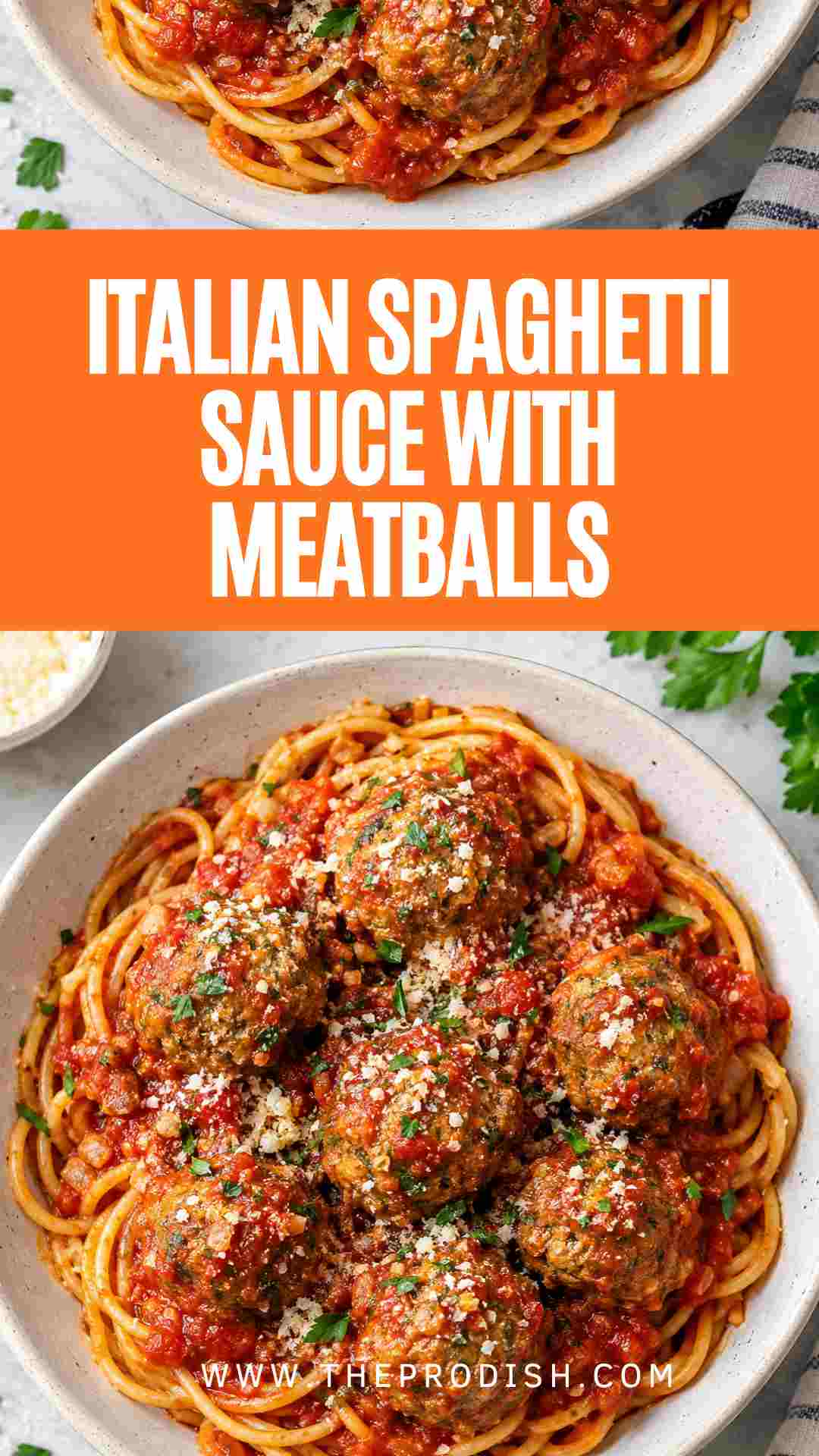
Enjoy Italian Spaghetti Sauce with Meatballs, a comforting homemade dinner featuring tender beef meatballs and rich tomato sauce. Perfect for family meals, cozy evenings, and satisfying Italian-inspired dinners. Finding a dinner that feels comforting, tastes delicious, and fits into a balanced eating routine can sometimes be challenging. Italian Spaghetti Sauce with Meatballs is a classic homemade meal that brings together tender beef meatballs, rich tomato sauce, garlic, onion, and fragrant Italian-inspired herbs. Served over a warm plate of spaghetti, it creates a satisfying dinner that feels special enough for Sunday family meals but is also simple enough to enjoy throughout the week.
One of the best things about homemade Italian spaghetti sauce with meatballs is the balance of flavor and nourishment. Lean ground beef provides protein, while tomatoes, garlic, and onions contribute flavor and useful nutrients. Parmesan cheese adds a savory touch, and fresh or dried herbs help create the familiar taste of a traditional Italian-inspired dinner. Making the sauce at home also gives you more control over the ingredients, seasoning, and portion sizes than many ready-made alternatives.
If you enjoy hearty meals and are looking for more ways to incorporate protein-rich foods into your routine, this recipe is a wonderful option. It can be paired with whole-wheat spaghetti, traditional pasta, zucchini noodles, or roasted vegetables depending on your preferences. Although the meatballs and sauce provide protein, the total nutritional value will depend on the serving size and whether you serve the meal with pasta. This makes Italian Spaghetti Sauce with Meatballs a versatile addition to a collection of satisfying homemade dinners.
Why You’ll Love This Recipe
Italian Spaghetti Sauce with Meatballs is a recipe that combines familiar ingredients with the comforting flavor of a slow-simmered tomato sauce. The ground beef meatballs are seasoned with parsley, Parmesan, garlic powder, and black pepper, giving them a savory taste that pairs beautifully with the tomato-based sauce. The onions and garlic soften in olive oil, creating a flavorful foundation that allows the remaining ingredients to come together into a rich, well-rounded sauce.
Another reason to love this homemade dinner is its flexibility. You can serve it with your favorite pasta, prepare extra sauce for another meal, or adjust the ingredients to suit your household’s preferences. Whole-wheat spaghetti adds more fiber than many refined pasta varieties, while zucchini noodles or spaghetti squash offer alternatives for anyone looking to reduce the carbohydrate content of the meal. You can also add vegetables such as mushrooms, spinach, or finely chopped carrots to increase variety without changing the overall character of the dish.
This recipe is especially appealing when you want a meal that feels homemade and satisfying. The sauce develops its flavor during simmering, and the meatballs absorb some of the tomato seasoning as they cook. It is a great choice for family dinners, relaxed weekend cooking, and meal planning. If you enjoy collecting easy dinner recipes on Pinterest, save this classic recipe for the next time you want a cozy Italian-inspired meal that brings everyone to the table.
Health Benefits of This Recipe
One of the main nutritional benefits of Italian Spaghetti Sauce with Meatballs comes from the lean ground beef. Beef provides complete protein, meaning it contains all nine essential amino acids that the body needs from food. Protein plays an important role in maintaining muscle, supporting tissue repair, and helping the body carry out everyday functions. Including protein-rich foods in balanced meals can also contribute to fullness, which may help you feel satisfied between meals.
Ground beef also supplies important micronutrients, including vitamin B12, zinc, and iron. Vitamin B12 supports normal nerve function and red blood cell formation, while zinc contributes to immune function and wound healing. Beef contains heme iron, a form of iron that the body generally absorbs more readily than the non-heme iron found in many plant foods. The exact amount of these nutrients depends on the beef used, the portion size, and the overall composition of the meal.
The tomato sauce contributes a different set of nutritional benefits. Tomatoes contain vitamin C, potassium, and lycopene, a naturally occurring antioxidant associated with the red color of tomatoes. Cooking tomatoes can make lycopene more available for absorption, and the olive oil in this recipe provides fat that can help the body absorb certain fat-soluble compounds. Garlic and onions also contribute flavor and plant compounds, allowing the sauce to taste rich without relying entirely on heavy cream or large quantities of cheese.
For anyone working toward weight management or a balanced high-protein diet, portion awareness is important. Protein can support satiety, but no single ingredient guarantees weight loss or muscle gain. The overall balance of calories, protein, carbohydrates, fats, and physical activity matters more. Choosing lean beef, serving a suitable portion of pasta, and adding vegetables can help create a balanced dinner that fits your individual nutrition goals.
What Makes This Recipe High Protein
The primary protein source in this recipe is lean ground beef. The egg used in the meatball mixture provides additional protein and helps bind the ingredients together, while the Parmesan cheese contributes a smaller amount. Fresh bread crumbs provide structure and texture, but they are not the main source of protein. Together, these ingredients create tender, flavorful meatballs that make the dish more protein-rich than a simple tomato sauce served with pasta alone.
The exact protein content depends on the leanness of the beef, the size of each meatball, the type of Parmesan used, and how the mixture is divided into portions. The recipe makes approximately 12 meatballs, so dividing the meatballs and sauce evenly can help you estimate the nutrition for each serving. Because the recipe does not specify a final serving count or a quantity of spaghetti, a precise protein figure for the complete meal cannot be established from the ingredient list alone.
As a general estimate, one serving containing two to three meatballs and some sauce may provide around 15–25 grams of protein before adding pasta, depending on meatball size and the amount of beef in each portion. This is an estimate rather than a verified nutrition calculation. A serving of cooked whole-wheat or regular spaghetti adds more protein, along with carbohydrates that provide energy. For a more protein-focused dinner, you can pair the meatballs with a suitable portion of whole-wheat pasta and a side of vegetables.
If you are building a collection of high protein recipes for lunch and dinner, this recipe offers a practical way to include animal-based protein in a familiar meal. You can also balance it with other protein-rich foods throughout the day, such as eggs, Greek yogurt, cottage cheese, beans, fish, or chicken. A varied diet makes it easier to meet your nutritional needs while keeping meals interesting and enjoyable.
Tips & Variations
For the best texture, choose lean ground beef that still contains enough fat to keep the meatballs moist. Extremely lean beef can become dry if the mixture is overworked or the meatballs are cooked for too long. Mix the ingredients only until combined, and shape the meatballs gently rather than packing them tightly. Fresh bread crumbs can help retain moisture, while the egg and Parmesan add structure and flavor. If your mixture feels too wet, a small amount of additional bread crumbs may help.
The sauce benefits from gentle, steady simmering. Allowing the tomatoes, onion, garlic, and seasonings to cook together gives the flavors time to develop. Avoid boiling the sauce vigorously, because aggressive bubbling can cause splattering and may make the texture less pleasant. If the sauce becomes thicker than you prefer, add a little water. If it is too thin near the end of cooking, allow some liquid to evaporate while keeping an eye on the bottom of the pan.
You can adjust the flavor to suit your preferences without changing the basic recipe. Add dried oregano or Italian seasoning for a more herb-forward flavor, or include a pinch of red pepper flakes if you enjoy a little heat. Fresh basil added near the end of cooking can provide a bright herbal finish. If you prefer a sweeter sauce, taste it before adding more sugar, since the sweetness of canned tomatoes can vary. A small amount of sugar is included in the original recipe, but additional sweetener is not always necessary.
For extra vegetables, consider adding finely chopped carrots, mushrooms, bell peppers, or zucchini to the sauce. These ingredients can increase the variety of nutrients and create a more substantial meal. Spinach can also be stirred into the sauce near the end of cooking. If you want to make the dish more suitable for a lower-carbohydrate eating pattern, serve the meatballs over zucchini noodles or spaghetti squash instead of traditional pasta. Keep in mind that the meatballs themselves contain bread crumbs, so the recipe is not automatically low-carb or keto-friendly.
For a vegetarian alternative, replace the beef meatballs with a suitable plant-based meatball product or homemade lentil-and-mushroom balls. The sauce can remain tomato-based, although the protein content will depend on the replacement ingredients. If you are cooking for someone who avoids gluten, use certified gluten-free bread crumbs and check the labels on the remaining ingredients. These small adjustments make it easier to adapt a classic family dinner to different dietary needs.
How to Store & Meal Prep
Italian Spaghetti Sauce with Meatballs works well for meal preparation because the sauce and meatballs can be stored together or separately. Let the finished meal cool slightly before transferring it into clean, shallow, airtight containers. Refrigerate leftovers within two hours of cooking, or sooner if the surrounding temperature is particularly warm. For food safety, keep the refrigerator at 40°F (4°C) or below and use refrigerated leftovers within three to four days.
For convenient meal prep, divide the meatballs and sauce into individual containers. You can store cooked pasta separately so that it does not absorb too much sauce or become overly soft during storage. Keeping the components separate also allows you to vary the serving size and pair the meatballs with different sides throughout the week. For example, one day you might serve them with whole-wheat spaghetti, while another day you could enjoy them with roasted vegetables or zucchini noodles.
Freezing is another useful option when you want to prepare a larger batch. Place the cooled meatballs and sauce in freezer-safe containers or bags, leaving a little room for expansion. Label the containers with the date so you can keep track of storage time. For best quality, use frozen leftovers within approximately two to three months, although properly stored food may remain safe longer when continuously frozen at 0°F (-18°C). Thaw frozen portions in the refrigerator rather than leaving them on the counter.
To reheat refrigerated meatballs and sauce, place them in a saucepan over medium-low heat and stir occasionally until thoroughly heated. Add a splash of water if the sauce has thickened during storage. You can also use a microwave-safe container, covering it loosely and stirring partway through heating to distribute the heat evenly. Reheat leftovers to an internal temperature of 165°F (74°C). If the meal was frozen, thaw it safely in the refrigerator before reheating when possible, or reheat directly from frozen while allowing extra time for the center to become hot.
Common Mistakes to Avoid
One common mistake is overmixing the meatball mixture. When ground beef is handled too much, the finished meatballs can become dense rather than tender. Combine the beef, bread crumbs, egg, Parmesan, and seasonings gently until the ingredients are evenly distributed. Shape the mixture with a light touch, keeping the meatballs similar in size so they cook at a similar rate.
Another mistake is allowing the tomato sauce to boil too vigorously. A rapid boil can cause the sauce to splatter, reduce too quickly, or stick to the bottom of the saucepan. A gentle simmer is more suitable for developing flavor over time. Stir the sauce periodically, especially after adding tomato paste and meatballs, and use a sufficiently large saucepan to give the ingredients room to cook evenly.
Adding too much salt before tasting the sauce can also affect the final result. Canned tomatoes and Parmesan may contribute different amounts of sodium depending on the brands you use. Begin with the recipe’s suggested seasoning, then taste the sauce near the end of cooking and adjust if necessary. If the flavor feels too acidic, allow the sauce to simmer a little longer before deciding whether it needs additional sweetness.
It is also important not to assume that every meatball is cooked simply because the sauce has been simmering for a set amount of time. Meatball size and starting temperature can affect cooking time. For ground beef, check that the center reaches 160°F (71°C) using a food thermometer. This is a more reliable indicator of doneness than color alone. If the meatballs are particularly large, they may require additional cooking time.
Finally, avoid storing the entire batch in one deep container while it is still very hot. Large amounts of food cool slowly, which can increase the time spent at temperatures where bacteria multiply. Dividing the food into shallow containers makes cooling and storage easier. Labeling leftovers and reheating only the portion you need can also help reduce waste and maintain the quality of your meal.
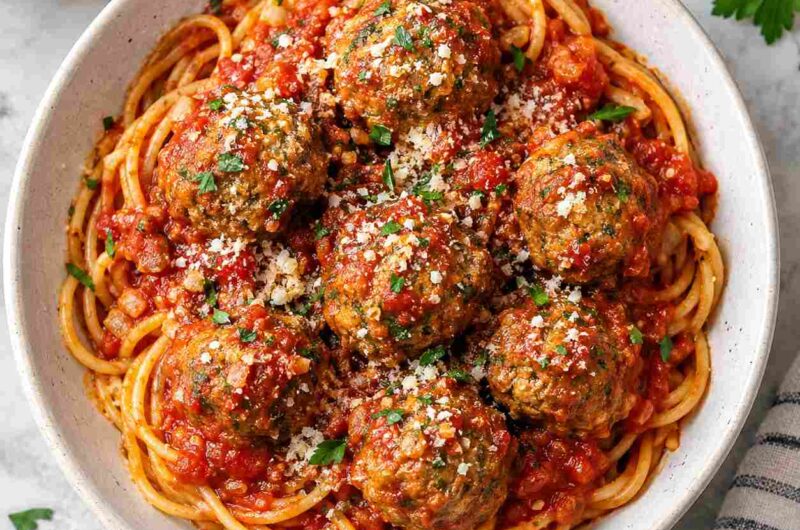
Italian Spaghetti Sauce with Meatballs
6
servings20
minutes2
hours5
minutes2
hours25
minutesKeep the screen of your device on
Ingredients
Meatballs:
1 pound lean ground beef
1 cup fresh bread crumbs
1 tablespoon dried parsley
1 tablespoon grated Parmesan cheese
¼ teaspoon ground black pepper
⅛ teaspoon garlic powder
1 egg, beaten
Sauce:
¾ cup chopped onion
5 cloves garlic, minced
¼ cup olive oil
2 (28 ounce) cans whole peeled tomatoes
2 teaspoons salt
1 teaspoon white sugar
1 bay leaf
1 (6 ounce) can tomato paste
¾ teaspoon dried basil
½ teaspoon ground black pepper
Instructions
- Gather all ingredients.
- Combine ground beef, bread crumbs, parsley, Parmesan, 1/4 teaspoon black pepper, garlic powder and beaten egg in a large bowl. Mix well and form into 12 balls. Store, covered, in refrigerator until needed.
- In a large saucepan over medium heat, sauté onion and garlic in olive oil until onion is soft and translucent, being careful not to brown, about 5 minutes.
- Stir in tomatoes, salt, sugar and bay leaf. Cover, reduce heat to low, and simmer for 90 minutes.
- Stir in tomato paste, basil, and 1/2 teaspoon black pepper. Add meatballs, cover, and simmer 30 minutes more.
- Serve hot and enjoy!
Italian Spaghetti Sauce with Meatballs is a timeless homemade dinner that combines savory beef meatballs, rich tomato sauce, aromatic garlic, and classic herbs. Its comforting flavor makes it a wonderful choice for family dinners, weekend cooking, and meal prep. With protein from lean ground beef, additional nutrients from tomatoes and onions, and plenty of opportunities for customization, this recipe can fit into a balanced eating routine while still delivering the familiar comfort of an Italian-inspired meal.
Serve the meatballs over your favorite spaghetti, choose whole-wheat pasta for additional fiber, or try a vegetable-based alternative if you prefer a lighter meal. You can also prepare extra sauce and meatballs to make busy weeknight dinners easier. Adjust the seasonings, add your favorite vegetables, and choose portions that suit your appetite and nutritional goals.