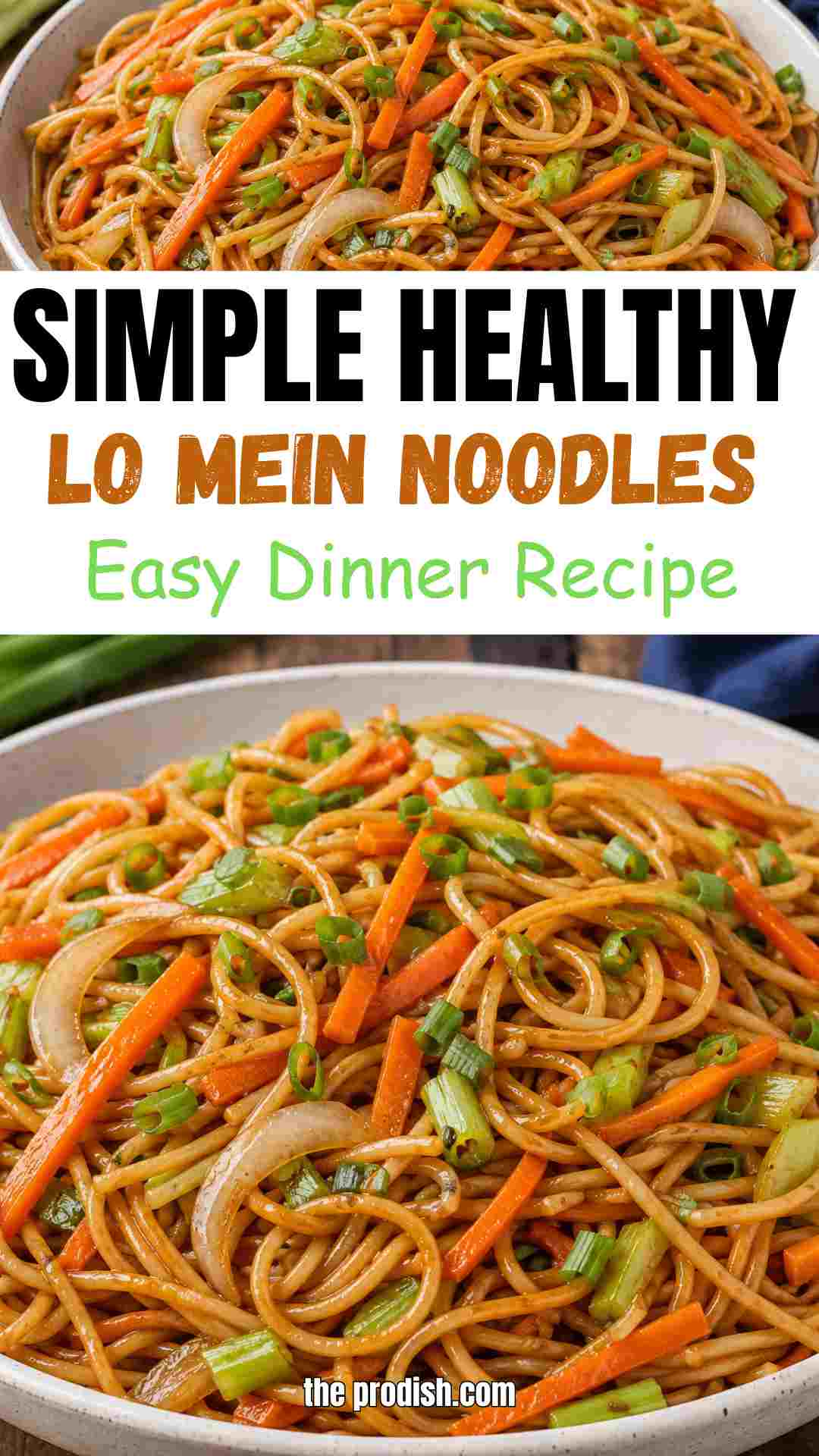
Enjoy easy Lo Mein Noodles with spaghetti, crisp vegetables, soy sauce, teriyaki, and honey. A quick, flavorful noodle dinner that is simple to customize.When you want a comforting noodle dinner without spending hours in the kitchen, these Lo Mein Noodles are an easy choice. Tender spaghetti is tossed with colorful vegetables and a sweet-savory sauce made with low-sodium soy sauce, teriyaki sauce, honey, and ginger. The result is a simple homemade noodle dish with plenty of flavor and texture, making it perfect for busy weeknights, quick lunches, or an easy meal when takeout is not on the menu.
One of the best things about making lo mein at home is how flexible it can be. You do not need a specialty pantry full of Asian ingredients, and you can use regular spaghetti when traditional lo mein noodles are not available. The vegetables add freshness and crunch, while the sauce coats every strand of pasta with a delicious combination of salty, sweet, and savory flavors. It is also an easy starting point for creating a more protein-rich meal by adding chicken, shrimp, tofu, eggs, or another favorite high protein food.
For readers who enjoy easy healthy recipes, meal prep ideas, and practical weeknight dinners, this noodle recipe is especially useful because it can be adapted to fit different eating styles. The recipe as written provides approximately 344 calories, 8g fat, 60g carbohydrates, and 9g protein per serving, so it is not particularly high in protein on its own. However, it can easily become part of a high protein diet by pairing it with a lean protein source or adding protein directly to the noodles.
Why You’ll Love This Recipe
These Lo Mein Noodles are a great example of how simple ingredients can create a satisfying homemade meal. The combination of spaghetti, crisp vegetables, and a flavorful sauce makes the dish comforting without requiring complicated cooking techniques. It is especially convenient when you have carrots, celery, onions, and other vegetables that need to be used before they go to waste.
Another reason to love this recipe is its flexibility. Traditional lo mein noodles are delicious, but spaghetti works surprisingly well and is often much easier to find. You can also adjust the vegetables based on what you already have in the refrigerator. Bell peppers, cabbage, mushrooms, broccoli, snap peas, or zucchini can all be incorporated for extra color, texture, and nutrients.
The sauce is another highlight. Low-sodium soy sauce provides the savory base, teriyaki sauce adds depth and sweetness, honey brings a gentle caramel-like flavor, and ground ginger gives the dish a warm aromatic note. Together, these ingredients create a sauce that feels much more special than the short ingredient list might suggest.
This recipe is also ideal for people who enjoy quick meals. Once the noodles are cooked and the vegetables are sliced, everything comes together in just a few minutes. That makes it a practical option for busy evenings when you want something homemade but do not want to spend a long time cooking.
Health Benefits of This Recipe
Vegetables are one of the biggest nutritional advantages of this noodle dish. Carrots, celery, sweet onion, and green onions provide a variety of vitamins, minerals, plant compounds, and fiber. Adding a generous amount of vegetables to a noodle-based meal can also make the dish more satisfying and visually appealing without requiring a large increase in calories.
Carrots are particularly useful for adding natural sweetness and color. They contain beta-carotene, which the body can convert into vitamin A. Vitamin A plays an important role in normal vision, immune function, and other body processes. Celery and onions also contribute plant compounds and add flavor without relying entirely on heavier ingredients.
The dish can also fit into a balanced eating pattern when portions and additions are considered. The recipe contains carbohydrates primarily from spaghetti and the small amount of honey and sauces. Carbohydrates can be an important source of energy, particularly for people who exercise regularly or simply prefer carbohydrate-containing meals. Pairing the noodles with a protein source and additional vegetables can create a more balanced plate.
For people following a high protein diet, the most important consideration is that the original recipe contains about 9 grams of protein per serving. That is moderate rather than high protein. If your goal is to increase protein intake, adding grilled chicken, shrimp, lean beef, tofu, edamame, eggs, or another protein-rich ingredient can significantly improve the nutritional balance of the meal.
The dish can also work well alongside other high protein recipes. For example, serving a smaller portion of noodles with grilled chicken and steamed vegetables creates a meal with more protein and volume. This approach allows you to enjoy comforting noodles while still building a meal around your nutritional goals.
What Makes This Recipe High Protein
Technically, the original version of these Lo Mein Noodles is not a high protein recipe. With approximately 9 grams of protein per serving, it is better described as a simple noodle and vegetable dish that can be easily transformed into a higher-protein meal. The spaghetti contributes some protein, but noodles are primarily a carbohydrate source rather than a concentrated protein food.
This distinction is helpful if you are intentionally following a high protein diet. Rather than labeling every recipe containing a small amount of protein as a high protein recipe, it is better to look at the complete meal. Adding a substantial serving of chicken, shrimp, tofu, lean beef, or another protein source can make these noodles much more suitable for high protein meal planning.
Chicken lo mein is one of the easiest variations to make. Cooked chicken breast can be sliced or shredded and tossed into the finished noodles. Shrimp is another excellent option because it cooks quickly and naturally complements soy-based sauces. For a plant-based variation, tofu or edamame can provide additional protein while keeping the dish centered around vegetables and noodles.
You can also serve the noodles with a separate protein-rich side. This is particularly useful when preparing meals for a family because everyone can customize their own bowl. Someone who wants a lighter noodle meal can enjoy the recipe as written, while someone following a higher-protein eating plan can add chicken, shrimp, tofu, or another favorite protein.
Tips & Variations
For the best texture, avoid overcooking the spaghetti. The noodles should be tender but still have some firmness when you drain them. Since they will return to the hot skillet or wok with the sauce, slightly firm noodles are preferable to very soft noodles. Rinsing them with cold water also helps cool them quickly and can reduce sticking while you prepare the vegetables and sauce.
Cutting the vegetables into similarly sized pieces helps them cook more evenly. The carrots should be thin enough to become tender while still retaining some bite, while celery should be sliced so it can soften without becoming mushy. Keeping the vegetables slightly crisp gives the finished lo mein a more appealing texture.
If you have access to traditional lo mein noodles, fresh egg noodles, or another Asian-style noodle, feel free to use them instead of spaghetti. Follow the cooking instructions for whichever noodles you choose, then add them to the skillet with the sauce. The recipe is designed to be flexible, so there is no need to avoid making it simply because you do not have traditional noodles in your pantry.
You can also change the vegetables based on the season or what is available. Bell peppers add sweetness and color, mushrooms bring a savory texture, cabbage adds crunch, and broccoli makes the meal more vegetable-forward. Snow peas, snap peas, bean sprouts, spinach, and zucchini are also excellent possibilities.
For a higher-protein version, add cooked chicken breast, turkey, shrimp, tofu, tempeh, edamame, or lean beef. If you want more protein without adding a large amount of meat, edamame or tofu can be especially useful. These additions can turn a simple noodle recipe into a more complete meal for people looking for high protein dinner ideas.
If you prefer a lower-carbohydrate meal, consider reducing the amount of spaghetti and increasing the vegetables and protein. You can also replace part of the noodles with spiralized zucchini or another vegetable noodle. Keep in mind that the final nutritional values will change depending on the substitutions you make.
For a vegetarian meal, use vegetables and tofu or edamame as your main additions. If you want the dish to be vegan, check the labels of your sauces and choose a suitable teriyaki sauce and noodle option. Honey can also be replaced with a plant-based sweetener if desired.
The sauce can be adjusted to match your preferences. If you prefer a sweeter flavor, a small amount of additional honey can be added. For more savory depth, adjust the soy sauce carefully. A little extra ginger can make the flavor more aromatic, while red pepper flakes or chili sauce can add heat for anyone who enjoys spicy noodles.
How to Store & Meal Prep
These Lo Mein Noodles are convenient for meal prep because they can be cooked ahead of time and portioned into individual containers. After cooking, allow the noodles to cool before transferring them to airtight food-storage containers. Refrigerate promptly and keep them chilled until you are ready to eat them.
For best quality, enjoy refrigerated leftovers within a few days. When reheating, a skillet is one of the best methods because it allows the noodles and vegetables to warm evenly. Add a small splash of water if the noodles seem dry, then heat gently while tossing until the meal is warmed through.
A microwave can also be used when convenience is the priority. Place one portion in a microwave-safe container and heat in short intervals, stirring between intervals. Adding a small splash of water before reheating can help loosen the noodles and prevent them from becoming overly dry.
If you are preparing this recipe specifically for meal prep, consider keeping any additional protein separate until you are ready to assemble the meal. For example, cooked chicken or shrimp can be portioned separately and added to each serving. This makes it easier to control protein portions and customize each meal.
Freezing is possible, although the vegetables and noodles may lose some of their original texture after thawing. If you choose to freeze the dish, cool it completely before placing it in a freezer-safe airtight container. Thaw it in the refrigerator and reheat gently in a skillet. For the freshest texture, however, refrigerated meal prep is generally preferable.
Meal prep can also be made more efficient by preparing the vegetables in advance. Slice the carrots, celery, onion, and green onions and keep them refrigerated until you are ready to cook. The sauce can also be mixed ahead of time and stored separately. With these components prepared, dinner can come together very quickly.
Common Mistakes to Avoid
One common mistake is overcooking the noodles before they reach the skillet. Very soft spaghetti can become mushy when it is tossed with the sauce and vegetables. Cooking the noodles until they are tender but still firm gives them enough structure to hold up during the final cooking stage.
Another mistake is cooking the vegetables for too long. The vegetables should become slightly tender while retaining some texture. Overcooked carrots and celery can make the finished dish feel soft rather than fresh and crisp. Cooking them over high heat while stirring frequently helps develop flavor while preserving some bite.
Adding too much sauce at once can also make the noodles overly salty or sweet. Soy sauce and teriyaki sauce already contain strong flavors, so it is better to start with the recommended amounts and adjust carefully if needed. If you are adding extra protein or vegetables, you can make a little additional sauce separately rather than automatically increasing every ingredient.
It is also important not to overcrowd a small skillet. If the pan is too full, the vegetables may steam instead of quickly sautéing. A large skillet or wok gives everything enough room to cook properly and makes it easier to toss the noodles with the vegetables and sauce.
Finally, do not feel like you need traditional lo mein noodles to make this recipe. Spaghetti is a practical substitute and works well with the sauce. The goal is a delicious, approachable homemade meal, so using ingredients that are already available in your kitchen is often the smartest option.
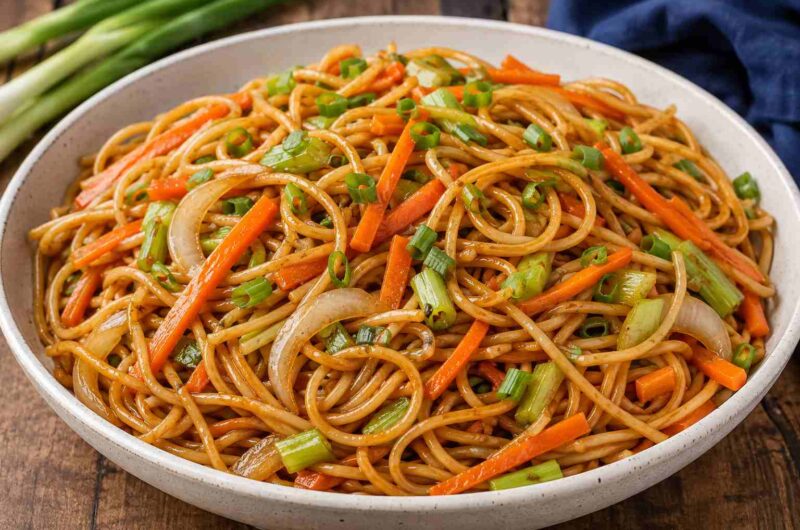
Lo Mein Noodles
4
servings10
minutes20
minutes344
kcal30
minutesKeep the screen of your device on
Ingredients
1 (8 ounce) package spaghetti
3 tablespoons low-sodium soy sauce
2 tablespoons teriyaki sauce
2 tablespoons honey
¼ teaspoon ground ginger
2 tablespoons vegetable oil
3 stalks celery, sliced
2 large carrots, cut into large matchsticks
½ sweet onion, thinly sliced
2 green onions, sliced plus more for garnish
Instructions
- Gather all ingredients.
- Bring a large pot of lightly salted water to a boil. Cook spaghetti in boiling water, stirring occasionally, until tender yet firm to the bite, about 12 minutes; drain, then rinse with cold water to cool.
- Meanwhile, whisk soy sauce, teriyaki sauce, honey, and ginger together in a small bowl; set aside.
- While the spaghetti cooks, heat oil in a large skillet or wok over high heat. Cook and stir celery, carrots, onion, and green onions until slightly tender, 5 to 7 minutes.
- Add spaghetti and soy sauce mixture. Cook, stirring frequently, until heated through and evenly coated, about 2 to 3 minutes. Serve garnished with additional sliced green onions, if desired.
Notes
- I usually make this with spaghetti because it’s easy to find, but lo mein noodles or fresh egg noodles are delicious if you have them. Just cook whichever noodles you use according to the package directions before adding them to the sauce.
Nutrition Facts ( per serving ):
| Nutrients | Amount |
|---|---|
| Calories | 344 |
| Fat | 8g |
| Carbohydrates | 60g |
| Protein | 9g |
These Lo Mein Noodles are proof that an easy homemade dinner does not need a long ingredient list or complicated preparation. Tender spaghetti, colorful vegetables, and a simple soy-teriyaki sauce come together to create a comforting meal that is flavorful, adaptable, and easy enough for a busy weeknight.
With approximately 344 calories, 8g fat, 60g carbohydrates, and 9g protein per serving, the recipe as written is not a high protein meal by itself. However, it provides an excellent base for building a more protein-focused dinner. Add chicken, shrimp, tofu, edamame, lean beef, or another favorite protein to make the meal more suitable for high protein meal planning.