
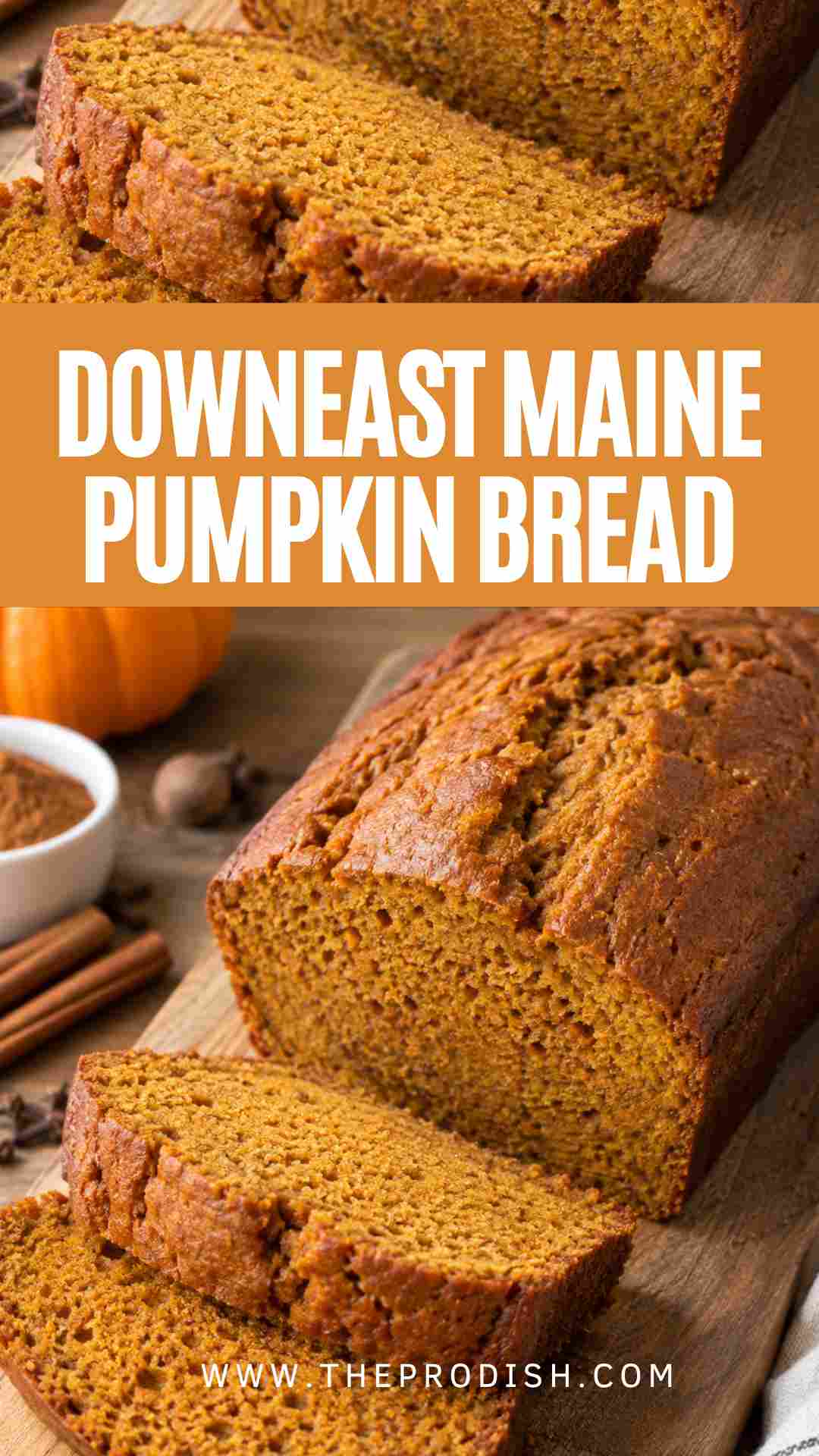
Downeast Maine Pumpkin Bread is a moist, warmly spiced classic pumpkin loaf with rich fall flavor. Perfect for breakfast, snacking, holidays, and cozy autumn baking. When the weather turns cooler and pumpkin season arrives, few things feel as comforting as a freshly baked loaf of pumpkin bread. Downeast Maine Pumpkin Bread is a classic, tender pumpkin loaf made with pumpkin puree, warm spices, and simple pantry ingredients. Its soft texture, rich pumpkin flavor, and fragrant combination of cinnamon, nutmeg, cloves, and ginger make it an especially inviting choice for fall breakfasts, afternoon snacks, and holiday gatherings.
This recipe makes two generous loaves, making it ideal when you want something homemade to enjoy throughout the week or share with family and friends. The pumpkin puree gives the bread its signature color and moisture, while the blend of traditional pumpkin spices creates that familiar autumn flavor people look forward to every year. It is delicious served plain, alongside coffee, or with a light spread for breakfast or a cozy snack.
Although this traditional pumpkin bread contains about 3 grams of protein per serving, it can still be enjoyed as part of a balanced eating pattern that includes plenty of high protein foods throughout the day. If you are building a collection of high protein recipes, you can pair a slice with Greek yogurt, cottage cheese, eggs, or another protein-rich breakfast food to create a more filling meal.
Why You’ll Love This Recipe
Downeast Maine Pumpkin Bread is the kind of recipe that makes homemade baking feel simple and rewarding. The batter comes together with familiar ingredients, and the recipe produces two loaves, so there is plenty to enjoy without needing to bake another loaf a few days later. The finished bread is soft, flavorful, and packed with classic pumpkin spice character without requiring complicated techniques.
It is also incredibly versatile. A warm slice can be enjoyed for breakfast, packed as a snack, served with coffee in the afternoon, or added to a fall brunch spread. For special occasions, you can fold toasted pecans or semisweet chocolate chips into the batter for extra texture and richness. Because the loaves store and freeze well, this is also a practical recipe for make-ahead baking during the busy fall and holiday season.
The flavor is another reason this pumpkin bread stands out. Pumpkin puree provides a naturally rich texture, while cinnamon, nutmeg, cloves, and ginger create layers of warmth in every bite. The flavor becomes even better after the bread has cooled completely and rested, making it a wonderful option to bake a day ahead when preparing for guests or a holiday gathering.
Health Benefits of This Recipe
Pumpkin is the star ingredient in this bread and contributes more than just its beautiful orange color. Pumpkin provides nutrients such as vitamin A in the form of beta-carotene, as well as other vitamins, minerals, and beneficial plant compounds. Including pumpkin in seasonal recipes is an easy way to enjoy a nutrient-rich whole food while still making room for comforting baked treats.
The eggs also contribute protein and important nutrients, while pumpkin puree adds moisture and some fiber to the bread. However, because this is a traditional sweet bread made with sugar, flour, and oil, it is best viewed as a treat or part of a balanced meal rather than a high-protein or low-calorie food. With approximately 263 calories per serving, portion size can be considered when incorporating it into your overall eating pattern.
For readers following a high protein diet, the easiest approach is to pair this bread with protein-rich foods rather than relying on the bread itself as the primary protein source. A slice with plain Greek yogurt, cottage cheese, scrambled eggs, or a high-protein smoothie can turn it into a more satisfying breakfast. This pairing approach allows you to enjoy seasonal recipes while still prioritizing protein throughout the day.
What Makes This Recipe High Protein
Traditional Downeast Maine Pumpkin Bread is not naturally a high-protein recipe. Each serving contains approximately 3 grams of protein, with most of the protein coming from the eggs and smaller amounts contributed by the flour and pumpkin puree. This is considerably lower than what you would typically expect from recipes specifically designed around high protein foods or high protein meal planning.
That does not mean you have to leave pumpkin bread out of a protein-focused lifestyle. Instead, think of it as a flavorful carbohydrate-based food that can complement a higher-protein meal. For breakfast, pairing a slice with Greek yogurt and nuts can add substantially more protein. You could also serve it alongside eggs or a protein-rich breakfast bowl to create a more balanced plate.
If increasing the protein content is important to you, simple modifications can make the recipe more protein-friendly. Replacing part of the flour with an appropriate protein-rich baking ingredient or adding protein-rich toppings can increase protein without completely changing the character of the bread. Keep in mind that baking substitutions can affect moisture and texture, so changes should be made gradually rather than replacing large amounts of flour at once.
Tips & Variations
One of the most important tips for making excellent pumpkin bread is to avoid overmixing the batter. Once the dry ingredients are incorporated into the pumpkin mixture, stir only until there are no obvious streaks of dry flour remaining. Overmixing can develop too much gluten and result in a loaf that is heavier or less tender than intended. A gentle hand during this stage helps preserve the soft, delicate texture that makes pumpkin bread so enjoyable.
The spices can also be adjusted according to your preference. If you love a stronger cinnamon flavor, you can increase the cinnamon slightly, while additional ginger can give the bread a little more warmth. Toasted pecans are a classic addition and provide pleasant crunch against the soft pumpkin loaf. Semisweet chocolate chips are another popular choice when you want a sweeter, dessert-like variation. You can use one full cup of either addition or combine smaller amounts of both.
For a more protein-focused serving, consider topping a slice with plain Greek yogurt, cottage cheese, or a small amount of nut butter. These additions can make the bread more satisfying while adding protein and healthy fats. If you are looking for high protein snacks, a small slice paired with Greek yogurt can be a better-balanced option than eating the bread alone.
Homemade pumpkin puree can also be used instead of canned pumpkin puree. If using homemade puree, make sure it is well drained before measuring so that excess moisture does not change the consistency of the batter. Pumpkin varieties can contain different amounts of water, so draining homemade puree is particularly important for achieving a consistent loaf.
How to Store & Meal Prep
Downeast Maine Pumpkin Bread is especially convenient for make-ahead baking because its flavor develops beautifully after it has cooled. Once the loaves are completely cool, wrap them tightly to help preserve their moisture and freshness. Keeping the bread properly wrapped prevents it from drying out and also helps protect the delicate pumpkin flavor from absorbing odors from other foods.
For longer storage, the loaves can be frozen for up to three months. Allow the bread to cool completely before wrapping it securely for the freezer. You can freeze the whole loaf or portion it into individual slices if you prefer convenient servings. Slicing before freezing makes it easier to take out only what you need for breakfast or a snack without thawing an entire loaf.
When you are ready to enjoy frozen pumpkin bread, let it thaw at room temperature. If you prefer a warm slice, a brief reheating can bring back some of the freshly baked texture. For meal prep, portioning the bread into individual servings can make it easier to pair with protein-rich foods throughout the week. A slice with Greek yogurt, eggs, or another high-protein food can create a quick breakfast without much morning preparation.
Common Mistakes to Avoid
One common mistake is adding too much pumpkin puree or using homemade pumpkin puree that contains excessive liquid. Extra moisture can change the texture and make the bread dense or difficult to bake through properly. If you are using homemade puree, drain excess liquid before measuring it. Using the correct amount of pumpkin helps maintain the balance between moisture and structure.
Another mistake is overmixing the batter after the flour is added. Pumpkin bread does not require vigorous mixing. Stir just until the ingredients come together and there are no dry streaks. Overworking the batter can produce a tougher loaf instead of the soft, tender texture you want.
It is also important not to judge doneness solely by the outside appearance of the bread. Pumpkin bread can become nicely browned before the center is completely baked. A toothpick inserted into the center should come out clean or with a few moist crumbs. If the toothpick comes out with wet batter, give the loaf additional baking time and check again.
Finally, avoid slicing the bread while it is still very hot. Allowing the loaves to cool gives the crumb time to set, making them easier to slice cleanly. Cooling also allows the pumpkin and spices to develop their full flavor. For the best taste and texture, wrapping the completely cooled bread and enjoying it the next day can make a noticeable difference.
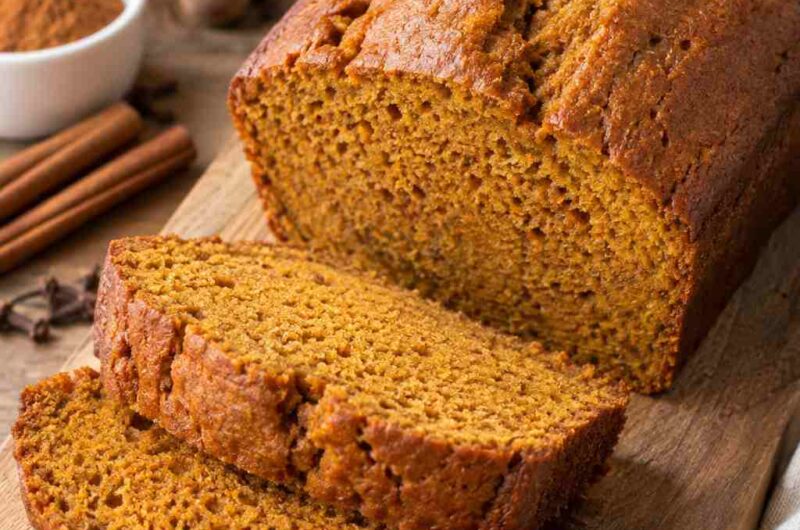
Downeast Maine Pumpkin Bread
24
servings10
minutes50
minutes263
kcal10
minutes1
hour10
minutesKeep the screen of your device on
Ingredients
1 (15-ounce) can pumpkin puree
4 large eggs
1 cup vegetable oil
⅔ cup water
3 cups white sugar
3 ½ cups all-purpose flour
2 teaspoons baking soda
1 ½ teaspoons salt
1 teaspoon ground cinnamon
1 teaspoon ground nutmeg
½ teaspoon ground cloves
¼ teaspoon ground ginger
Instructions
- Gather the ingredients. Preheat the oven to 350 degrees F (175 degrees C). Grease and flour two 9×5-inch loaf pans.
- Whisk flour, baking soda, salt, cinnamon, nutmeg, cloves, and ginger together in a large bowl.
- Whisk pumpkin purée, eggs, oil, water, and sugar together in a separate large bowl until smooth and well combined.
- Stir the flour mixture into the pumpkin mixture just until no dry streaks remain; do not overmix.
- Divide the batter evenly between the prepared loaf pans.
- Bake in the preheated oven until a toothpick inserted into the center of each loaf comes out clean or with a few moist crumbs, about 50 minutes
- Cool the loaves in their pans for 10 minutes. Run a thin knife around the edges, then turn the loaves onto a wire rack to cool completely before slicing or wrapping.
- This pumpkin bread is also delicious with added nuts or chocolate chips. Fold in 1 cup semisweet chocolate chips or chopped toasted pecans, or ½ cup of each, before baking.
Notes
- If using homemade pumpkin purée, drain any excess liquid before measuring 1¾ cups.
Once fully cool, wrap the loaves tightly. The flavor develops especially well by the next day.
To freeze, cool the loaves completely, wrap them well, and freeze for up to three months. Thaw at room temperature before serving.
| Nutrient | Amount |
|---|---|
| Calories | 263 |
| Fat | 10g |
| Carbohydrates | 41g |
| Protein | 3g |
Downeast Maine Pumpkin Bread is a comforting classic that captures everything people love about fall baking. Its moist pumpkin texture, fragrant cinnamon, nutmeg, cloves, and ginger, and simple preparation make it a reliable recipe for cozy mornings, afternoon coffee breaks, holiday brunches, and seasonal gatherings. Making two loaves also means you can enjoy one now while saving the other for later or sharing it with family and friends.
While this traditional pumpkin bread is not particularly high in protein on its own, it can easily become part of a balanced breakfast or snack when paired with high protein foods. Serve it with Greek yogurt, eggs, cottage cheese, nuts, or another protein-rich option to make your meal more filling. It is a great reminder that enjoying seasonal comfort foods can fit into a balanced approach to eating.