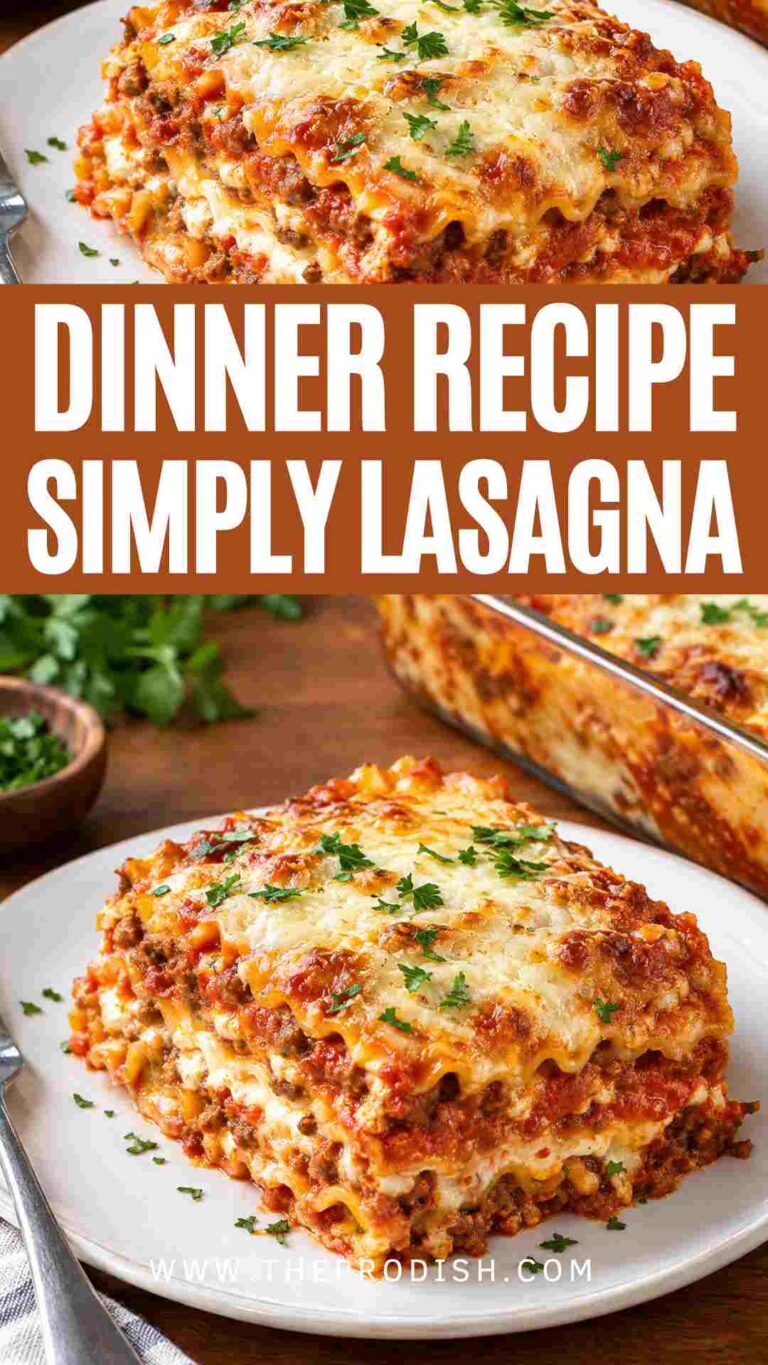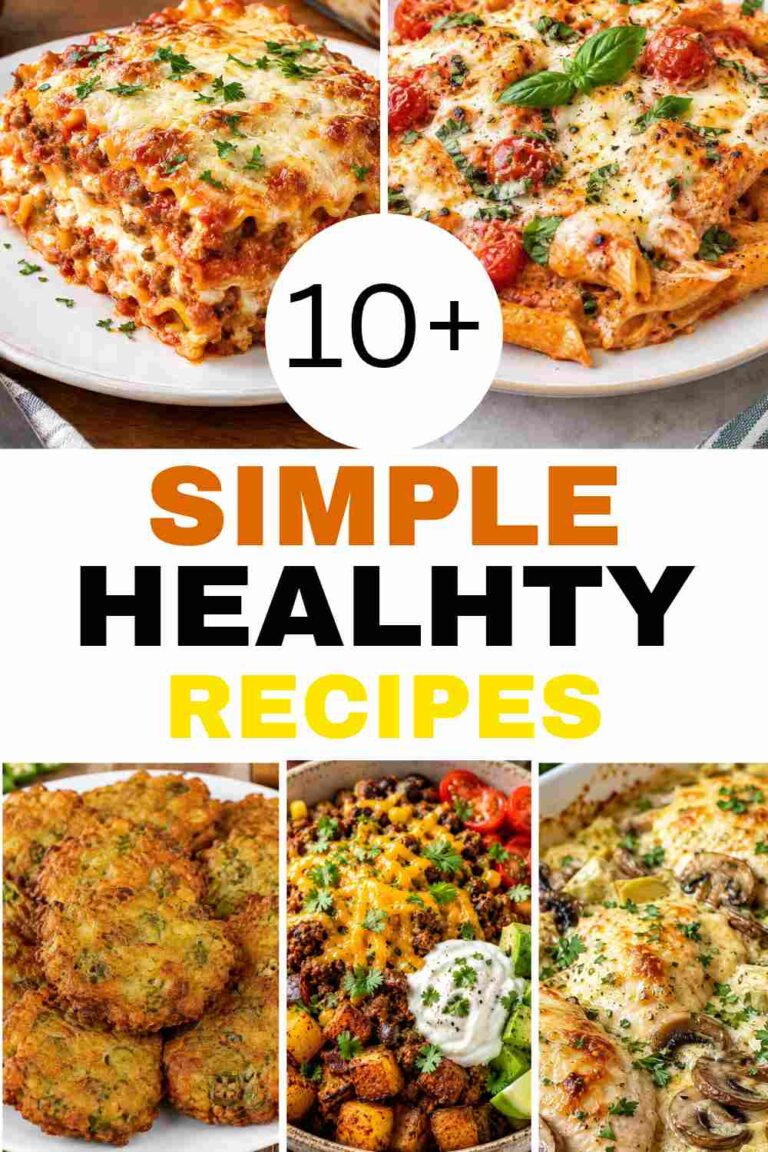
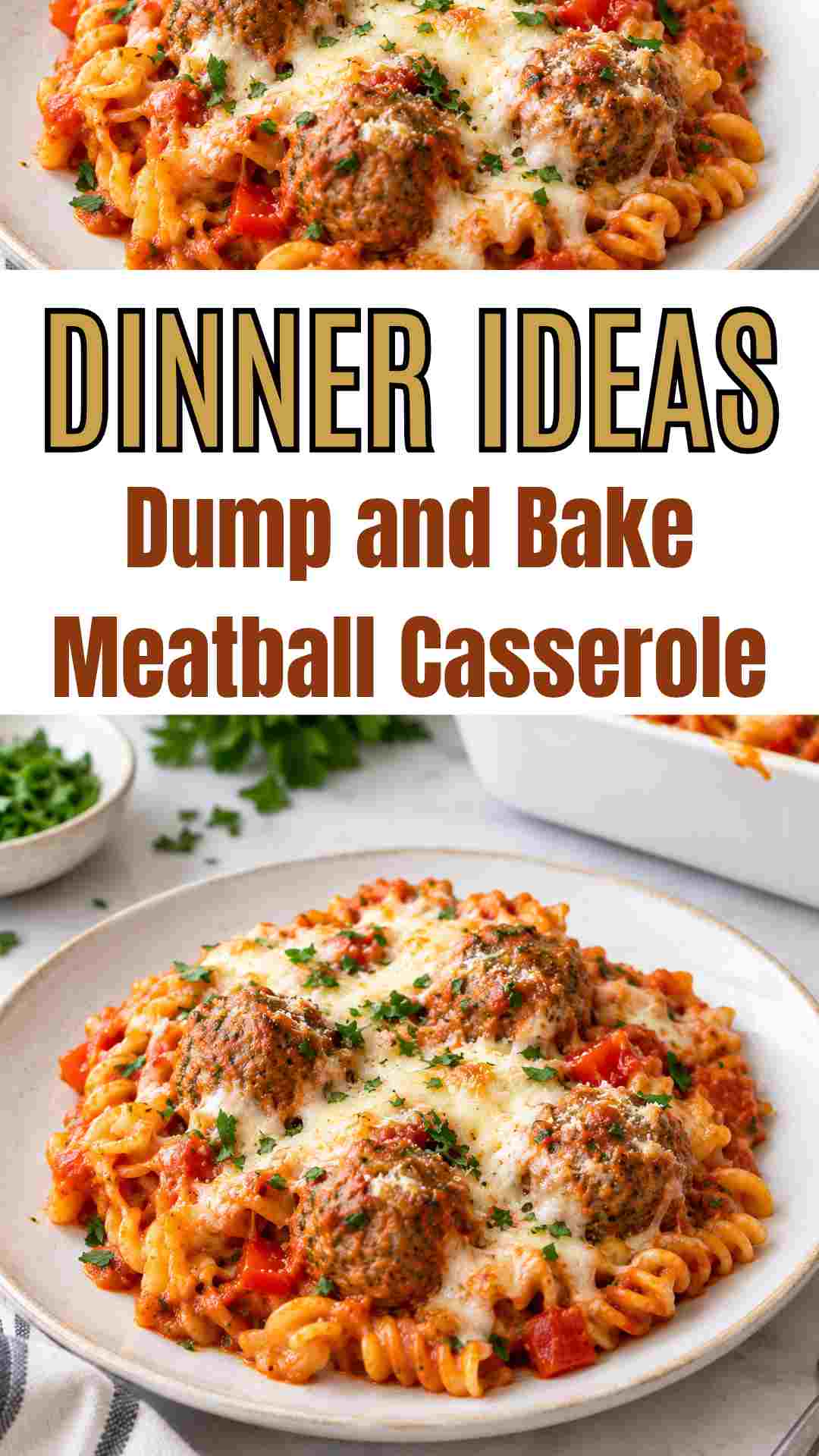
Dump and Bake Meatball Casserole is an easy, cheesy pasta dinner made with juicy meatballs, marinara sauce, and melted mozzarella. Perfect for busy weeknights and family meals. Finding a dinner that is comforting, satisfying, and easy to prepare can feel like a challenge, especially on busy weeknights. Between work, family responsibilities, and everyday tasks, spending hours in the kitchen is not always realistic. That is where Dump and Bake Meatball Casserole comes in. This delicious one-pan meal combines tender pasta, savory meatballs, rich marinara sauce, and gooey melted cheese to create a hearty dinner without requiring several pots and pans.
What makes this meatball casserole especially convenient is its simple preparation method. Instead of boiling pasta separately and cooking everything in stages, the ingredients bake together in one dish. The pasta absorbs the flavorful sauce as it cooks, while the meatballs add a savory bite to every serving. A combination of mozzarella and Parmesan cheese gives the casserole a deliciously cheesy finish that makes it appealing to both adults and children.
If you enjoy easy comfort food with a little nutritional balance, this recipe deserves a place in your weekly meal rotation. With approximately 19 grams of protein per serving, it provides a useful amount of protein alongside carbohydrates and fats. While it is not a traditional high-protein, low-calorie meal, it can fit into a balanced eating plan and offers an easy starting point for creating more protein-rich family dinners. You can also customize it with extra vegetables or higher-protein pasta to suit your preferences.
Why You’ll Love This Recipe
Dump and Bake Meatball Casserole is an excellent option when you want a homemade dinner without complicated preparation. Its one-dish cooking method makes it particularly appealing for busy families, beginners, and anyone who appreciates practical recipes that deliver plenty of flavor. Because the pasta, sauce, meatballs, and seasonings cook together, the ingredients have time to develop a rich, savory taste while the pasta absorbs the marinara sauce.
Another reason to love this recipe is its versatility. You can use your favorite marinara sauce, choose different varieties of frozen meatballs, or add vegetables such as mushrooms, spinach, and zucchini. Rotini works particularly well because its spiral shape holds onto the sauce, but other short pasta varieties can also be used. The melted mozzarella creates a creamy, cheesy topping, while Parmesan adds a slightly salty, savory flavor that makes every bite more satisfying.
This casserole is also a practical choice for meal planning. It provides a combination of protein, carbohydrates, and fat, making it a filling dinner option for people with different activity levels and nutritional goals. If you are collecting easy dinner recipes, family-friendly casseroles, or convenient high-protein meal ideas, this dish is worth saving. You can prepare it for a regular weeknight, serve it at a casual family gathering, or portion the leftovers for another meal.
Health Benefits of This Recipe
One of the main nutritional benefits of Dump and Bake Meatball Casserole is its protein content. Protein is an essential nutrient that helps the body build and maintain muscle, repair tissues, and produce important enzymes and hormones. It also contributes to satiety, which means a protein-containing meal may help you feel satisfied after eating. With approximately 19 grams of protein per serving, this casserole can contribute meaningfully to your daily protein intake as part of a varied diet.
The meatballs are the primary protein source in the original recipe. Depending on whether you choose beef, turkey, chicken, or a combination of meats, they can also provide nutrients such as iron, zinc, and vitamin B12. These nutrients support several important body functions, including oxygen transport, immune health, and normal energy metabolism. The exact nutritional contribution will vary according to the meatball brand, ingredients, and serving size, so checking the package label is helpful if you are following a specific nutrition plan.
The marinara sauce and bell peppers also contribute useful nutrients. Tomato-based marinara sauce contains lycopene, a naturally occurring antioxidant that gives tomatoes their red color. Bell peppers provide vitamin C and other plant compounds, while adding color and flavor to the casserole. Including vegetables in pasta dishes is a simple way to make everyday comfort food more varied and nutritious. You can increase the vegetable content further by adding mushrooms, spinach, zucchini, or finely chopped carrots.
Pasta supplies carbohydrates, which are an important source of energy for the brain and muscles. Mozzarella and Parmesan contribute protein and calcium, although they also add fat and sodium. These ingredients can fit comfortably into a balanced eating pattern when portions and overall food choices are considered. Rather than viewing a casserole as either healthy or unhealthy, it is more useful to consider how it fits into your broader diet. Pairing it with a fresh salad or steamed vegetables can add fiber, volume, and additional micronutrients.
For people interested in weight management, this dish can be enjoyed as part of a calorie-conscious plan. The supplied nutrition information lists approximately 362 calories per serving, but actual values may differ depending on the meatballs, cheese, pasta, and number of portions. Choosing leaner meatballs, measuring the cheese, and increasing the vegetables are practical ways to adjust the meal without losing its comforting character.
What Makes This Recipe High Protein
The main protein source in Dump and Bake Meatball Casserole is the meatballs. Meat-based ingredients generally provide complete protein, meaning they contain all nine essential amino acids that the body needs from food. These amino acids support muscle maintenance, tissue repair, and other normal physiological functions. Using lean beef or turkey meatballs can help you adjust the balance of protein and fat according to your nutritional preferences.
Mozzarella and Parmesan cheese also contribute protein to the finished casserole. Although cheese is often added primarily for its flavor and texture, it supplies additional protein along with calcium. The mozzarella melts into the pasta, creating a stretchy, creamy layer, while Parmesan adds a concentrated savory taste. Using a measured amount of cheese allows you to enjoy these benefits while keeping the overall richness of the dish under control.
Pasta contributes a smaller amount of protein, and the exact quantity depends on the type and brand used. If you want to increase the protein content, consider substituting some or all of the regular rotini with a higher-protein pasta made from lentils, chickpeas, or other legumes. These alternatives can also provide more fiber than conventional pasta, although their textures and cooking requirements may differ. Always check the package instructions because not every alternative pasta cooks well using the same amount of liquid or baking time.
According to the provided nutrition information, each serving contains approximately 19 grams of protein, 362 calories, 19 grams of fat, and 28 grams of carbohydrates. These values make the casserole a moderate-protein meal rather than an exceptionally high-protein recipe. Your final nutrition numbers may vary with ingredient brands and portion sizes. If your goal is to eat more high-protein foods throughout the day, you can complement this dinner with protein-rich breakfasts, balanced lunches, and nutritious snacks rather than relying on one meal to meet your entire daily requirement.
Tips & Variations
For the best texture, choose a pasta shape that can hold sauce well. Rotini is a dependable option because its grooves and spirals help capture the marinara sauce, but penne, cavatappi, and small pasta shells can also work. Different shapes may absorb liquid at different rates, so check the pasta for doneness near the end of the covered baking period. If it remains too firm, cover the dish again and allow additional cooking time rather than immediately adding a large amount of water.
The type of meatball you use can change the flavor and nutritional profile. Beef meatballs offer a rich, traditional taste, while turkey or chicken meatballs may provide a leaner alternative, depending on the product. For a vegetarian variation, replace the meatballs with plant-based alternatives. Some vegetarian meatballs contain less protein than meat-based versions, while others provide substantial amounts, so compare nutrition labels if protein intake is important to you.
You can also make the casserole more vegetable-rich without changing its basic character. Finely chopped mushrooms blend naturally with the marinara sauce, while spinach adds color and nutrients. If using frozen spinach, thaw it and squeeze out excess moisture before adding it. Chopped zucchini, grated carrots, or additional bell peppers can also work well. Avoid adding too many watery vegetables at once because excess moisture can affect the pasta’s texture and make the finished casserole looser than expected.
If you prefer a richer cheese flavor, experiment with a blend of mozzarella and Parmesan, or add a small amount of provolone. For a little heat, crushed red pepper flakes or a spicy marinara sauce can add a pleasant kick. Italian seasoning, dried oregano, garlic, and freshly ground black pepper are also useful flavor boosters. Taste the sauce before adding extra salt, particularly if your meatballs, marinara sauce, and cheese are already high in sodium.
For a higher-protein version, choose meatballs with a favorable protein-to-calorie ratio and consider using legume-based pasta. You can also serve the casserole with a side of roasted vegetables and a protein-rich accompaniment if needed. If you are following a lower-carbohydrate eating plan, traditional pasta will not be the best fit; replacing it with a suitable lower-carbohydrate alternative may help, but you will need to adjust the liquid and cooking method. A vegetarian version can be delicious, although the final protein content depends on the plant-based meatballs and pasta you select.
How to Store & Meal Prep
Dump and Bake Meatball Casserole can be a useful addition to your meal-prep routine because the leftovers are easy to portion and reheat. Allow the casserole to cool slightly after baking, then divide it into individual servings and transfer them to shallow, airtight containers. Refrigerate the leftovers within two hours of cooking, or sooner if the room is particularly warm. Keeping the portions separate makes it easier to prepare lunches or dinners for the next few days without reheating the entire dish.
For food safety, store cooked leftovers in the refrigerator at 40°F (4°C) or below and use them within three to four days. If you are planning meals for the week, label the containers with the preparation date so you can keep track of freshness. The pasta may absorb more sauce as it sits, so the casserole can become slightly thicker after refrigeration. Adding a small splash of water or marinara sauce before reheating can help restore a softer, saucier texture.
To freeze the casserole, divide it into freezer-safe portions and seal the containers securely once the food has cooled appropriately. For the best quality, use frozen portions within two to three months. Freezing may slightly change the texture of the pasta and cheese, but the casserole can still make a convenient future meal. Thaw frozen portions in the refrigerator when possible rather than leaving them at room temperature for an extended period.
Reheat individual servings in the microwave in a microwave-safe dish, loosely covered to retain moisture. Stir when appropriate and continue heating until the center reaches 165°F (74°C). For a larger portion, use an oven-safe dish covered with foil and heat at approximately 350°F (175°C) until hot throughout. Remove the foil near the end if you want to refresh the cheesy top. Avoid repeatedly cooling and reheating the entire casserole; warming only the amount you plan to eat helps maintain both quality and food safety.
Meal prep is especially helpful if you are trying to build a consistent routine around balanced dinners. Pair a portion with a fresh vegetable side, and consider rotating the casserole with other high-protein meals throughout the week. This keeps your menu varied while allowing you to enjoy the convenience of a familiar, comforting dish.
Common Mistakes to Avoid
One common mistake is using a baking dish that is too small or shallow. The pasta needs enough room to sit in the sauce and absorb liquid as it cooks. Overcrowding the dish can lead to uneven cooking, with some pasta becoming soft while other pieces remain firm. Use a suitable 9-by-13-inch baking dish and spread the ingredients evenly so that the pasta is well distributed throughout the sauce.
Another problem is allowing too much steam to escape during the covered baking period. Because the pasta cooks directly in the marinara sauce and water, trapped moisture is essential. If the foil is loose or the dish is uncovered too early, the liquid can evaporate before the pasta becomes tender. Cover the dish tightly with foil and avoid lifting it repeatedly to check on the food. Check the pasta toward the end of the recommended cooking window, then allow additional covered cooking time if necessary.
Adding the cheese too early can also affect the final texture. Mozzarella and Parmesan are intended to create a melted, golden, flavorful topping, so adding them only after the pasta has cooked sufficiently helps prevent the cheese from becoming overly browned or interfering with the cooking process. Stirring some mozzarella into the hot casserole helps distribute cheesy flavor throughout, while reserving the rest for the top creates the classic baked-casserole finish.
It is also important not to assume that every pasta brand will cook at exactly the same rate. Pasta shape, thickness, and ingredients can affect how quickly it absorbs moisture. If the pasta is still too firm, continue baking it covered for a few minutes and check again. If the dish appears unusually dry before the pasta is tender, add a modest amount of hot water or extra marinara sauce, cover it again, and allow the liquid to absorb.
Finally, be careful when making ingredient substitutions. Some frozen meatballs are fully cooked, while others require different handling, so follow the package directions and ensure that the finished dish is safely heated throughout. Plant-based meatballs and alternative pastas can also behave differently from their traditional counterparts. Making one or two changes at a time helps you understand how each substitution affects flavor, texture, and cooking time.
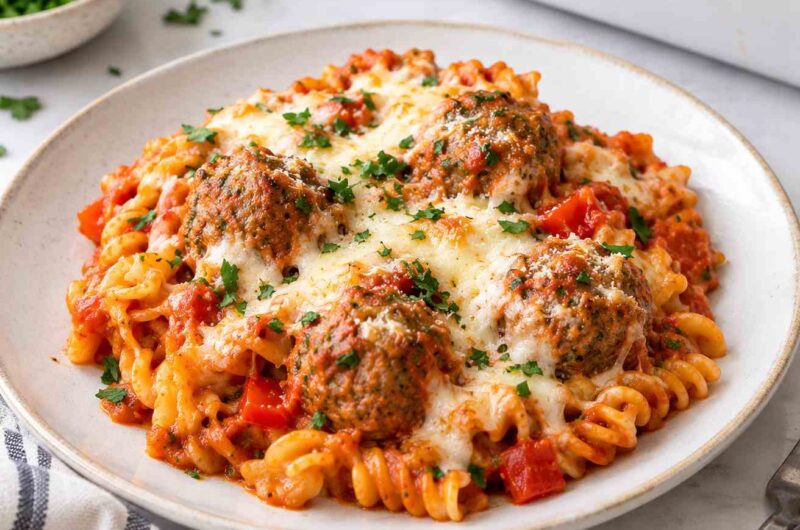
Dump and Bake Meatball Casserole
8
servings10
minutes50
minutes362
kcal1
hourIngredients
12 ounces dry rotini pasta
2 1/2 cups water
1 (24-ounce) jar marinara sauce
1 (14-ounce) bag frozen meatballs, thawed
1 cup chopped bell pepper
1 teaspoon salt
2 cups shredded mozzarella cheese, divided
1/4 cup freshly grated Parmesan cheese
chopped fresh herbs, such as parsley or basil (optional)
Instructions
- Gather all ingredients. Preheat the oven to 425 degrees F (220 degrees C).
- Combine pasta, water, marinara sauce, meatballs, peppers, and salt in a 9×13-inch baking dish.
- Cover tightly with aluminum foil and bake until pasta is al dente, 30 to 35 minutes.
- Remove the foil and stir in 1 cup mozzarella cheese. Sprinkle with remaining 1 cup of mozzarella cheese and Parmesan cheese.
- Bake, uncovered, until cheese is melted, 10 minutes more.
- Serve garnished with fresh herbs, if desired.
Nutrition Facts ( per serving ):
| Nutrient | Amount |
|---|---|
| Calories | 362 |
| Fat | 19g |
| Carbs | 28g |
| Protein | 19g |
Dump and Bake Meatball Casserole is a comforting, family-friendly dinner that brings together pasta, savory meatballs, marinara sauce, and melted cheese in one convenient baking dish. Its simple preparation makes it especially useful on busy evenings when you want a homemade meal without a complicated cleanup. With approximately 19 grams of protein per serving according to the provided nutrition information, it also offers a practical way to include protein in a satisfying dinner.
The best part about this recipe is how easily you can make it your own. Choose your favorite meatballs, add extra vegetables, experiment with different pasta shapes, or try a higher-protein pasta to better suit your nutritional goals. Serve it with a crisp salad or roasted vegetables for a more balanced meal, and save the leftovers for easy lunches and dinners later in the week.