If you’ve been trying to eat healthier, lose weight, or build muscle, chances are you’ve heard people talk about a high protein diet. It’s one of the most popular nutrition approaches today and for good reason. Protein plays a major role in how our bodies feel, function, and change over time.
But if you’re a beginner, it can also feel confusing. How much protein do you actually need? What foods are best? Can you really eat high protein meals every day without overthinking it?
This guide is written for real people living real lives. No complicated science. No strict rules. Just simple, practical advice to help you understand and apply a high protein diet in a balanced, sustainable way.
What Is a High Protein Diet?
A high protein diet simply means eating more protein than the average diet, while still keeping things balanced. Protein is one of the three main macronutrients along with carbohydrates and fats that your body needs every day.
While everyone’s body is different, a typical “standard” diet usually gets about 10% to 15% of its calories from protein. In a high protein approach, we usually bump that up to 25%, 30%, or even 35% of your daily calories.
Think of protein as the “building blocks” of your body. It isn’t just for bodybuilders; it’s for your skin, your hair, your hormones, and your immune system. When you focus on a high protein diet, you aren’t necessarily cutting out carbs or fats (though you might reduce them slightly to make room); instead, you are ensuring that every meal has a solid anchor of protein to keep your body running efficiently.
A simple example: Instead of having a large bowl of pasta with a tiny bit of meat sauce (High Carb), you might have a smaller portion of pasta with a large grilled chicken breast and a side of broccoli (High Protein). It’s about shifting the balance of what’s on your plate.
Benefits of a High Protein Diet
Protein does much more than help bodybuilders build muscle. For beginners and everyday people, increasing protein intake can make healthy eating easier and more effective.
1. Weight Loss and Fat Burning
Protein is a secret weapon for weight loss. First, it has a high “Thermic Effect of Food” (TEF). This is a fancy way of saying your body burns more calories just trying to digest protein than it does digesting fats or carbs.
Secondly, a protein rich diet helps you lose fat while keeping your muscle. Usually, when people go on a “diet,” they lose both fat and muscle. Protein acts like a shield, protecting your hard-earned muscle so that the weight you lose is mostly body fat.
Higher protein diets can help preserve lean muscle during weight loss, increase muscle mass with resistance training, and even support bone health. Healthline
2. Muscle Gain and Recovery
If you are hitting the gym or even just going for long walks, your muscles experience tiny “micro-tears.” Protein is the “glue” that repairs those tears, making the muscle stronger and slightly larger than before. Without enough protein intake per day, your body struggles to recover, leaving you feeling sore and tired.
3. Incredible Appetite Control
Have you ever eaten a huge bowl of cereal only to be hungry an hour later? That’s because carbs digest quickly. Protein, on the other hand, is the king of satiety. It reduces the level of the “hunger hormone” (ghrelin) and boosts the hormones that make you feel full. When you eat high protein meals, you naturally end up snacking less throughout the day because you’re genuinely satisfied.
4. Metabolism Support
By helping you build or maintain lean muscle mass, protein indirectly boosts your metabolism. Muscle tissue burns more calories at rest than fat tissue does. So, by eating more protein and staying active, you are essentially turning your body into a more efficient calorie-burning machine, even while you sleep.
In short, a high protein diet helps you:
- Feel fuller
- Eat more intentionally
- Maintain muscle
- Support long-term health
Best High Protein Foods (With Protein Count)
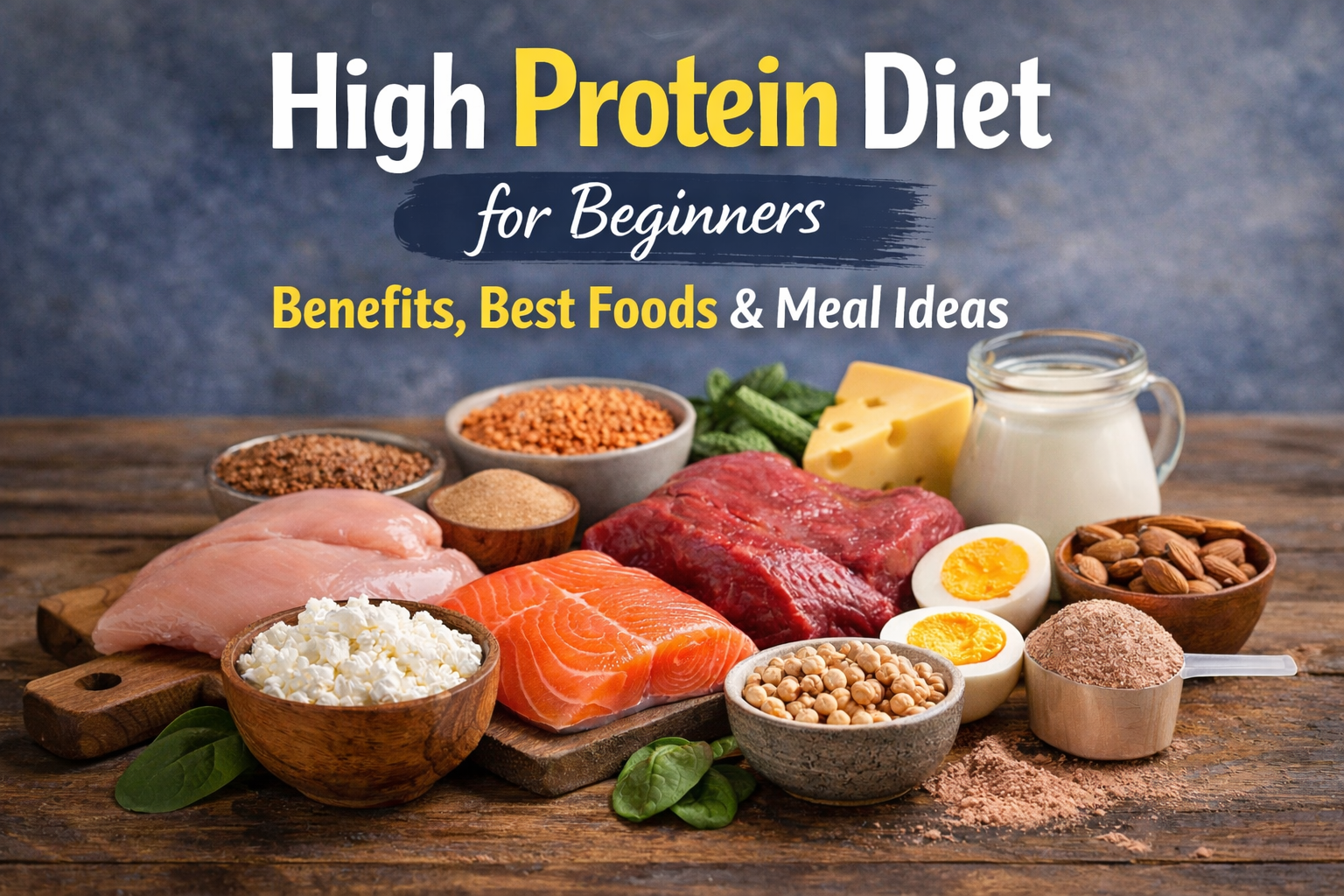
To succeed, you need to know which foods are actually “high protein.” It’s easy to get confused by marketing some “protein bars” have more sugar than a candy bar. You don’t need fancy products to eat more protein. Many everyday foods are naturally high in protein and easy to include in meals.
Here are the best, whole-food high protein foods to keep in your kitchen.
(Note: These are approximate counts based on a standard 3-to-4-ounce serving, which is about the size of a deck of cards).
| Food Source | Protein Amount (Approx.) |
|---|---|
| Chicken Breast | 31g per 3.5 oz |
| Turkey Breast | 30g per 3.5 oz |
| Cottage Cheese | 12g - 14g per 1/2 cup |
| Large Egg | 6g per egg |
| Lentils (Cooked) | 9g per 1/2 cup |
| Black Beans (Cooked) | 7g per 1/2 cup |
| Tofu (Firm) | 10g per 1/2 cup |
| Whey Protein Powder | 20g - 25g per scoop |
| Salmon / White Fish | 22g - 25g per 3.5 oz |
| Canned Tuna | 20g per 3 oz can |
| Greek Yogurt (Plain) | 17g - 20g per 3/4 cup |
High Protein Diet for Weight Loss
If your goal is to drop a few pounds, protein is your best friend. But how do you actually apply it?
- Eat Your Protein First: At any meal, try to eat the protein source before you dive into the sides. This ensures you get the most important nutrient in before you get full.
- The 30-Gram Rule: Many nutritionists suggest aiming for 25–30 grams of protein at every main meal. This “triggers” your body to feel full and starts the muscle-repair process.
- Watch the “Sneaky” Calories: A common mistake is eating high protein foods that are fried or covered in heavy sauces. A breaded chicken wing is “high protein,” but it’s also very high in unhealthy fats and calories. Stick to grilled, baked, or roasted options.
Common Mistake to Avoid: Don’t ignore vegetables! A high protein diet doesn’t mean “only meat.” If you cut out all your greens, you’ll miss out on fiber, which can lead to digestion issues (constipation is a real risk if you don’t eat your fiber!).
High Protein Diet for Muscle Gain
If you want to look “toned” or build strength, protein is non-negotiable.
When you exercise, you are essentially signaling to your body: “We need to be stronger!” But your body can’t answer that call without raw materials. Protein provides the amino acids necessary to build that new tissue.
- Consistency over Timing: You don’t necessarily need a protein shake within 5 minutes of finishing your workout. What matters most is your total protein intake per day.
- Bedtime Protein: Some people find success eating a slow-digesting protein (like cottage cheese or Greek yogurt) before bed. This provides your muscles with a steady stream of amino acids while you sleep.
How Much Protein Do You Need Per Day?
This is the most common question beginners ask. The answer depends on your weight, your activity level, and your goals.
As a very simple guideline for beginners:
- The Minimum: Most health organizations recommend a minimum of 0.8 grams of protein per kilogram of body weight. However, this is just to survive, not to thrive or lose weight.
- The “Sweet Spot” for Active People: A good rule of thumb for someone looking to see changes in their body is roughly 0.7 to 1 gram of protein per pound of target body weight.
Example: If your goal weight is 150 lbs, aiming for 120–150 grams of protein per day is a fantastic target.
Please remember: These are general guidelines. If you have pre-existing kidney issues or other medical conditions, always check with your doctor before making a big change to your macronutrients.
High Protein Meal Ideas
You don’t need to be a chef to make high protein recipes. Here are some “no-brainer” ideas to get you started:
Breakfast Ideas
- The Power Bowl: 1 cup of Greek yogurt topped with a handful of berries, a sprinkle of hemp seeds, and a dash of cinnamon.
- Classic Scramble: 3 eggs (or 2 eggs + 1/2 cup egg whites) scrambled with spinach and a little bit of feta cheese.
- Protein Oatmeal: Cook your oats as usual, but stir in a scoop of protein powder or some egg whites at the very end for a creamy, filling texture.
Lunch Ideas
- Chicken Salad 2.0: Use canned chicken or rotisserie chicken mixed with Greek yogurt (instead of mayo), celery, and grapes. Eat it in lettuce wraps.
- The Tuna Melt: A can of tuna mixed with mustard and spices, served on a single slice of sprouted grain toast with a thin slice of melted cheese.
- Adult Lunchable: Slices of turkey breast, two hard-boiled eggs, some almonds, and cucumber slices.
Dinner Ideas
- Sheet Pan Salmon: A salmon fillet baked on a tray with asparagus and bell peppers. Season with lemon and garlic.
- Turkey Chili: Ground turkey simmered with beans, tomatoes, onions, and lots of chili spices. This is one of the best high protein recipes because it makes great leftovers!
- Steak & Greens: A lean cut of steak (like sirloin) served with a massive portion of sautéed kale or broccoli.
Snack Ideas
- Beef or turkey jerky (look for low-sugar versions).
- A handful of dry-roasted edamame.
- Cottage cheese with sliced cucumbers and cracked pepper.
Common Mistakes People Make on a High Protein Diet
Even with the best intentions, it’s easy to slip up. Here are three things to watch out for:
- Forgetting Hydration: Protein requires more water for your kidneys to process. If you increase your protein, you must increase your water intake. If you feel a headache coming on, drink a big glass of water!
- Relying Only on Shakes: Shakes are convenient, but they don’t have the vitamins, minerals, and fiber that whole foods have. Try to get 70–80% of your protein from “real food” like eggs, meat, and lentils.
- Ignoring Total Calories: Protein is great, but it still has calories. If you eat 200 grams of protein but also eat a lot of high-fat butter and oils, you might still find yourself in a “calorie surplus,” which will stall weight loss.
FAQ
Is a high protein diet safe?
For the vast majority of healthy people, yes! The myth that protein “damages healthy kidneys” has been largely debunked by modern research. However, if you have known kidney disease, you should always consult a specialist.
Can I eat high protein meals every day?
Absolutely. In fact, consistency is key. Your body doesn’t “store” protein the way it stores fat, so you need a fresh supply every day to keep your muscles and hormones happy.
Do I need supplements?
Nope! You can get all the protein you need from whole foods. Supplements like whey protein or plant-based powders are just “convenience tools.” They are great for when you’re busy or on the go, but they aren’t magic.
Final Thoughts for the Beginner
Starting a high protein diet doesn’t mean you have to change your entire life overnight.
Start small. Tomorrow morning, try adding an extra egg to your breakfast. Next week, try swapping your afternoon bag of chips for a Greek yogurt. These small, healthy eating habits add up over time.
Focus on how you feel. Most people find that within a week of prioritizing protein, they have more energy, fewer cravings, and a clearer mind. That is the real power of a balanced diet anchored in high-quality protein.
You’ve got the list, you’ve got the meal ideas, and you’ve got the science. Now, it’s time to head to the grocery store and start building a stronger, healthier version of you!